Choosing between two great South Shore neighborhoods can feel like comparing different versions of your ideal Tahoe life. You might picture quiet mornings under tall pines, or you may crave stepping onto a dock and launching a paddle before work. If you are deciding between Montgomery Estates and Tahoe Keys for full-time living, you want clear, practical differences, not hype. In this guide, you will see how each area stacks up on homes and costs, daily lifestyle, services and schools, utilities and HOAs, rental rules, and seasonal realities so you can move forward with confidence. Let’s dive in.
Quick take: which fits your day-to-day?
- Pick Tahoe Keys if you want boating and lakeside amenities at your doorstep, accept association rules and seasonal activity, and are comfortable with waterfront maintenance and possible flood insurance needs. Details on amenities and operations are outlined by the Tahoe Keys Beach & Harbor Association.
- Pick Montgomery Estates if you value forest access, privacy, and larger wooded lots, want a quieter neighborhood feel, and are prepared for winter driving and defensible-space upkeep. Parcel and plan tags that define this area appear in the Lake Tahoe Info parcel tracker.
What each neighborhood is
Montgomery Estates snapshot
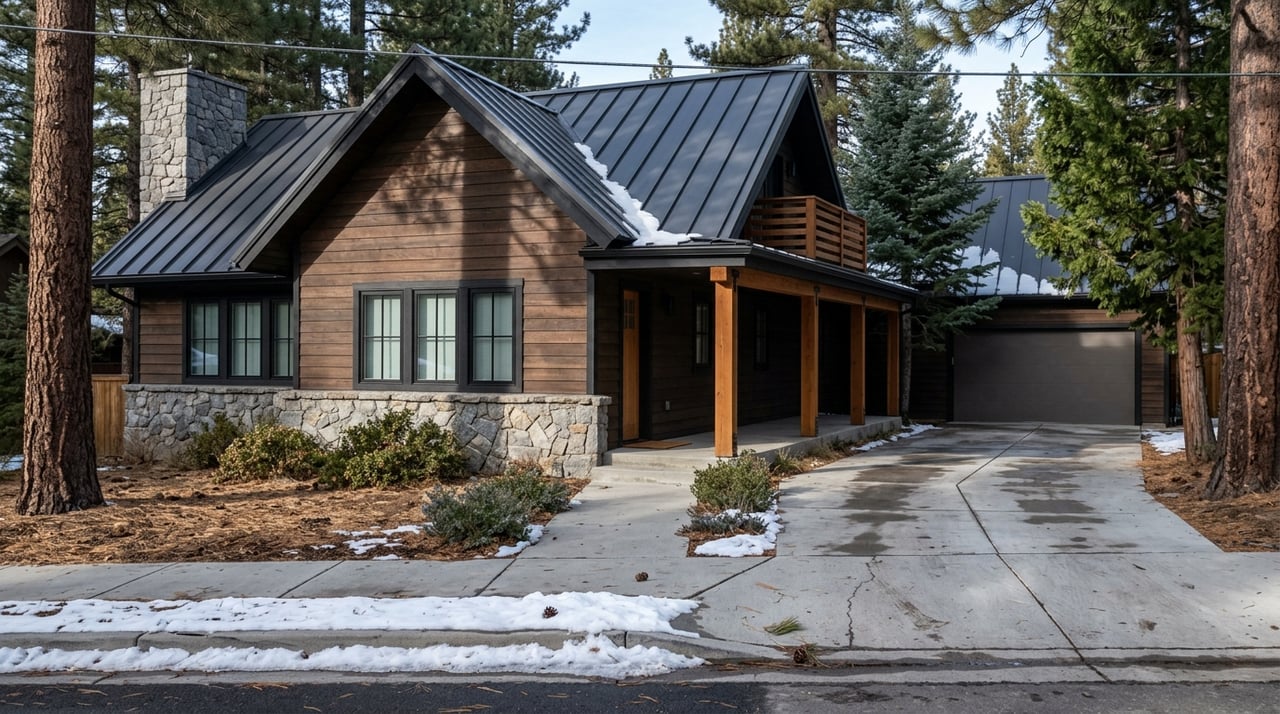
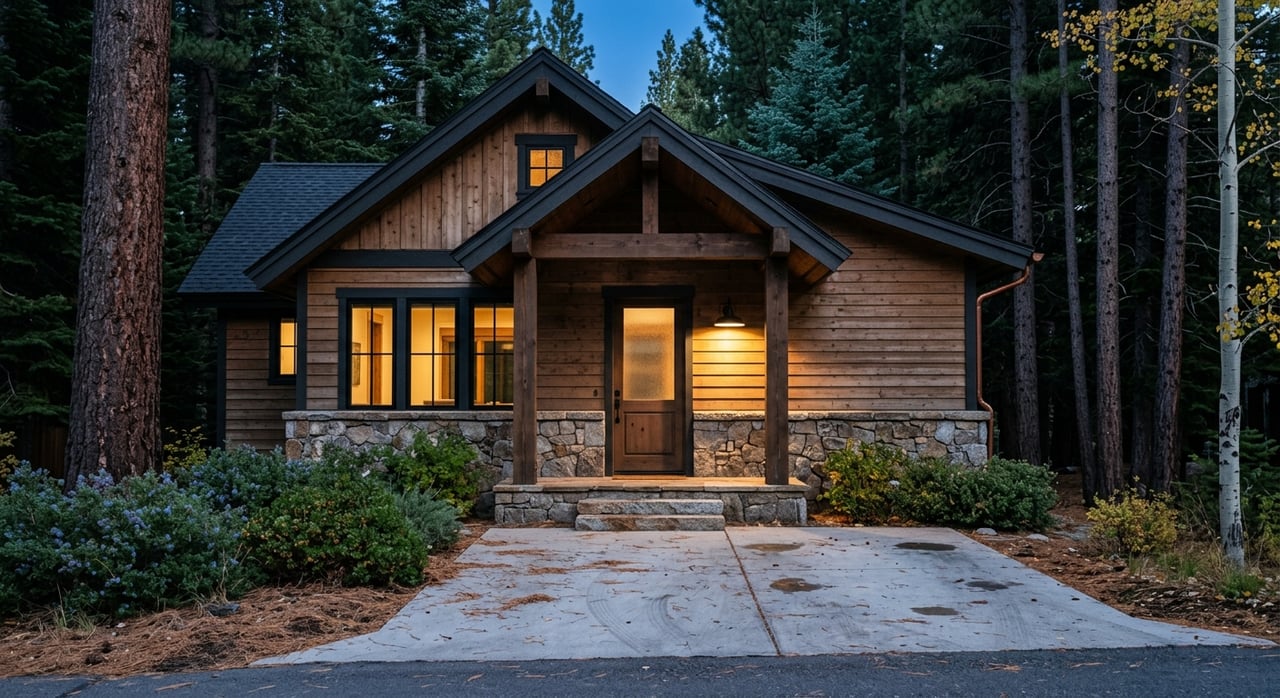
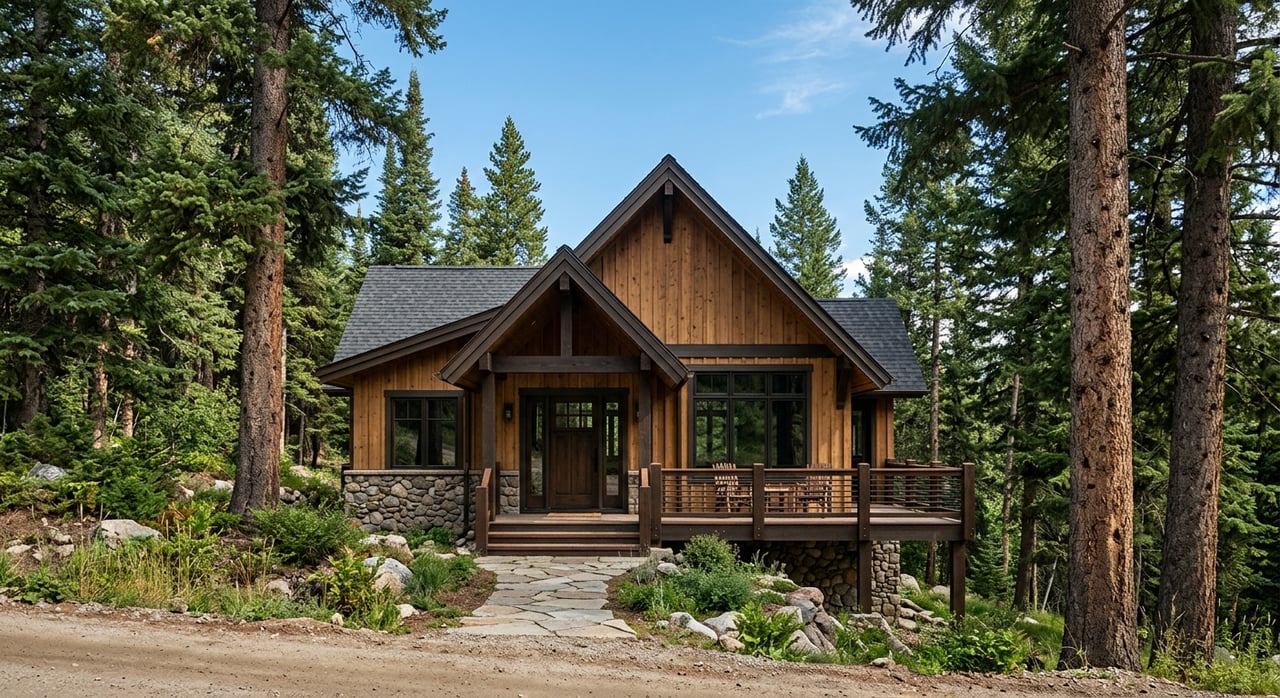
Montgomery Estates sits in unincorporated El Dorado County on the forested hillsides above South Lake Tahoe’s core. Many parcels back to open space or National Forest, which creates a private, wooded setting and a strong neighborhood feel. Homes range from Tahoe-style chalets and mid-range houses to newer custom builds on larger lots. You will see local plan references and lot details in the Lake Tahoe Info parcel pages.
Tahoe Keys snapshot
Tahoe Keys is a planned canal and marina community within the City of South Lake Tahoe. Engineered lagoons, bulkheaded shorelines, and a large marina system give many properties direct or convenient boat access. The neighborhood features a mix of waterfront homes with private docks, townhomes, and single-family residences oriented to lake living and community amenities. Owner associations outline beaches, pools, tennis and pickleball, and harbor facilities on the association site.
Housing and cost signals
Home types and lot patterns
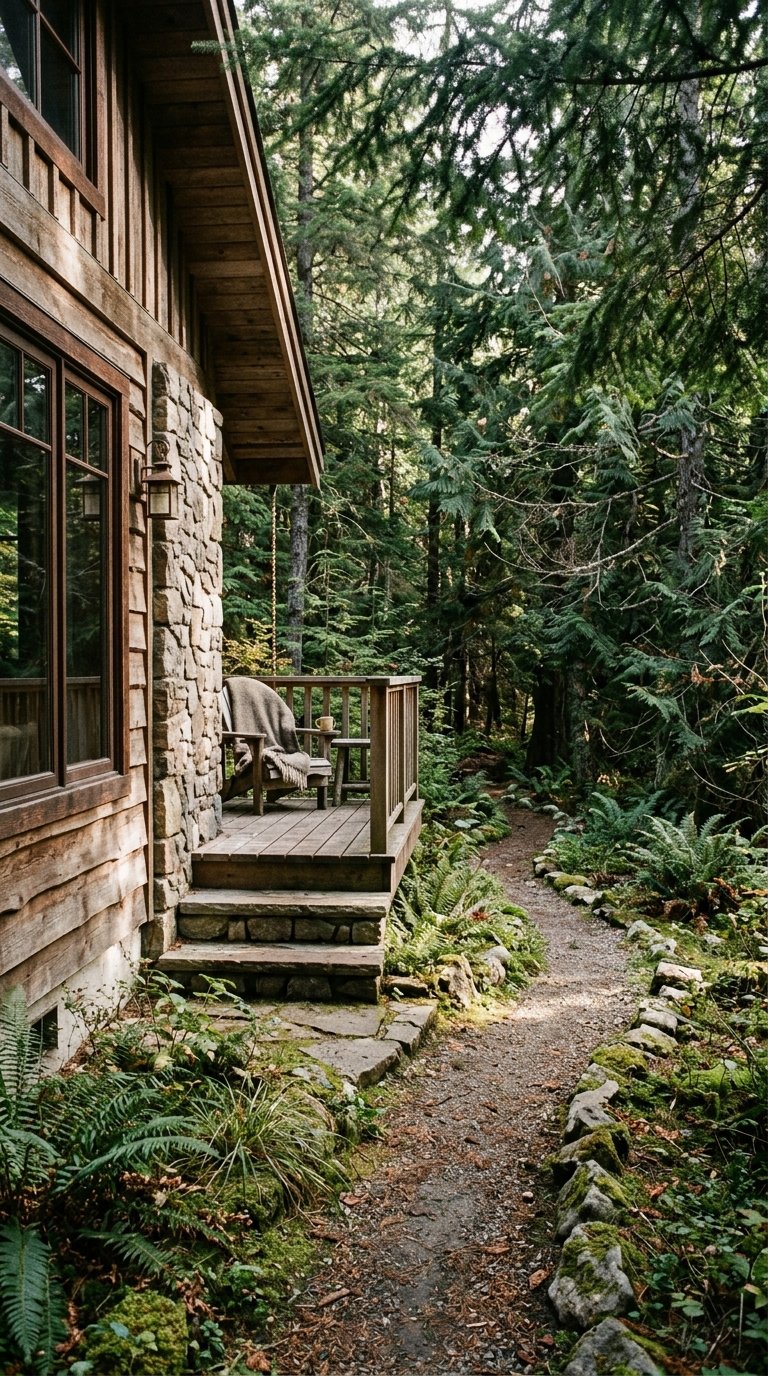
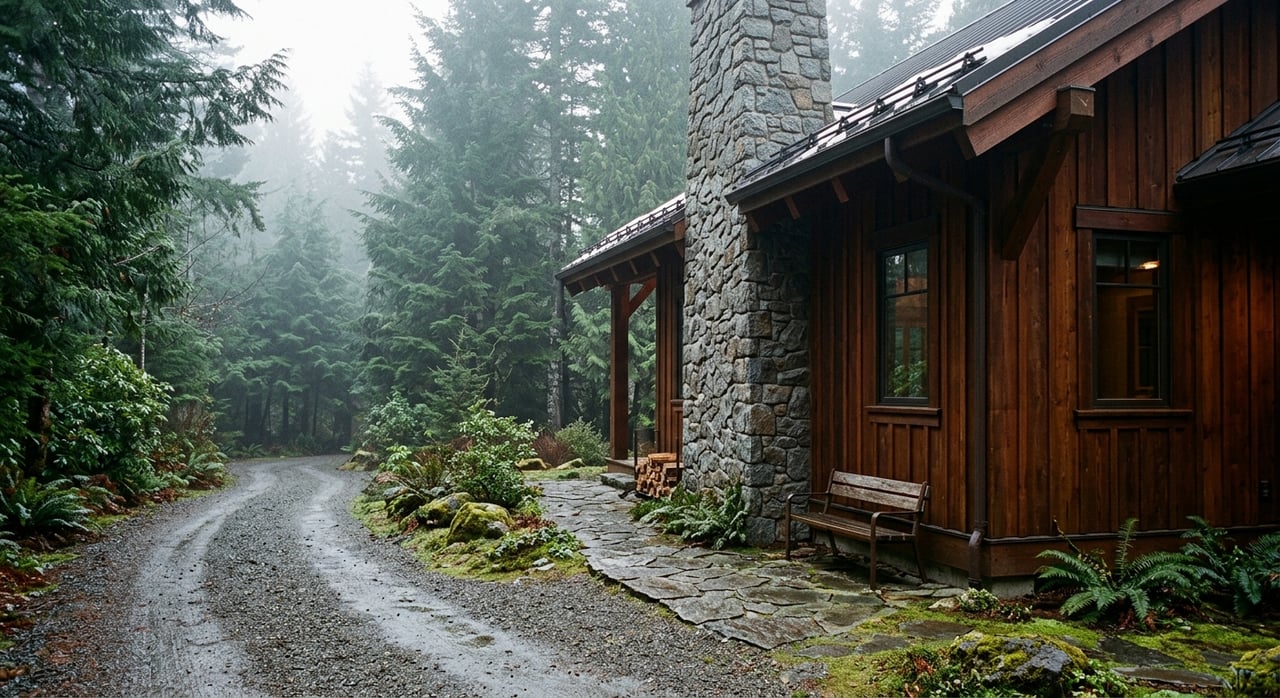
In Montgomery Estates you will find larger lots, mature trees, and a quiet, residential pattern. Many streets connect easily to trail networks, and some backyards meet conservancy or forest parcels. This creates a sense of space that appeals to full-time residents who want privacy and trail access. Lot-level details and plan designations are visible in the parcel tracker.
Tahoe Keys properties hug canals and lagoons. Waterfront homes often have private docks, while interior properties may have access to association marinas and beaches. The area was built by converting marshland into a navigable lagoon network, which is central to its character and also informs insurance and maintenance considerations. Amenity and mooring context is summarized by the Tahoe Keys Beach & Harbor Association.
Pricing signals to watch
Citywide baselines shift month to month, and each neighborhood has wide price bands. In practical terms, true waterfront homes in the Keys commonly trade at notable premiums, while non-waterfront condos and townhomes there can be more approachable. Montgomery Estates spans from modest mountain chalets to custom luxury builds that reach seven figures. For current comps and trends, review recent closings and neighborhood medians in the latest market updates on Ascension’s blog and pair that with real-time MLS data when you are ready to write an offer.
Fees, utilities, and ownership structure
HOAs and dues
Tahoe Keys has multiple active associations and operational entities that manage amenities, harbor functions, and some services. Expect homeowner obligations beyond property tax, which can include HOA dues, slip licenses, or marina service fees. You should confirm current structures and costs directly through the association’s resources.
Montgomery Estates typically has fewer centralized association fees because many properties lie in unincorporated county neighborhoods without a master HOA. Some subdivisions may carry CC&Rs or improvement assessments, and all properties must follow basin-wide stormwater and defensible-space rules. Project filings and area planning context appear in the state’s CEQA database and on parcel pages.
Water, sewer, and marina services
In the Keys, multiple private and association water and harbor operators manage services. There has also been environmental oversight and project work tied to lagoon water quality. If you buy in the Keys, verify your water and wastewater providers, slip arrangements, and any pending lagoon projects. The association site and regional oversight documents from the Lahontan Regional Water Quality Control Board are helpful starting points.
Most Montgomery Estates homes are served by the South Tahoe Public Utility District. Service areas and capital projects are outlined in the district’s urban water management plan. For any specific APN, also check parcel records to confirm utilities.
Everyday lifestyle
Recreation at your door
If you live in Montgomery Estates, you get quick access to forested trails and mountain biking. Many residents walk or drive a short distance to local trailheads in High Meadows and other nearby zones. Trail maps and riding ideas are available through South Shore Bikes’ trail resources.
In the Keys, the water is your playground. Many residents use boats, kayaks, and paddleboards daily in summer, and they can access community beaches, pools, tennis, and parks through the associations. You will find amenity details on the TKBHA site.
Errands, commuting, and transit
Both neighborhoods are within short driving distance of groceries, dining, and services. The Keys sits closer to the main commercial corridors, which can be convenient for errands. In high season, expect more activity near the Stateline and Heavenly corridors. Public transit exists along the South Shore through the Tahoe Transportation District, and routes and hubs are posted by the TTD. Most full-time residents still rely on a car for everyday trips, especially during winter weather.
Healthcare and schools
Barton Memorial Hospital provides 24/7 acute care for the South Shore, and drive times from both neighborhoods are similar. You can explore services via the Barton Health listing on the Tahoe Chamber site.
For K–12, families in parts of Montgomery Estates often reference Sierra House Elementary for K–5. School boundaries and enrollment change, so always confirm the latest details with Sierra House and LTUSD before you rely on an assumption about assignments.
Seasonal and hazard realities
Wildfire and defensible space
The Tahoe Basin, including South Shore neighborhoods, is mapped as high or very high fire hazard. If you buy in unincorporated El Dorado County, certain transactions require a defensible-space inspection, and both buyers and sellers need to plan for ongoing vegetation work. Inspection and disclosure requirements are outlined by the El Dorado County Office of Wildfire Preparedness & Resilience.
Snow and winter operations
At roughly 6,200 feet, winters bring heavy snow and occasional storm-related road delays. Budget for driveway plowing, roof snow management, and winter vehicle prep. The local ski season context underscores the snowfall you can expect, which is illustrated in Heavenly and Vail Resorts’ winter communications.
Flood and lagoon considerations in the Keys
Much of the Upper Truckee Marsh and adjacent lagoon system that informs the Keys sits within the regulatory 100-year floodplain. Waterfront buyers should evaluate flood mapping and consider flood insurance. Hydrology and floodplain discussions appear in the Upper Truckee River and Marsh Restoration EIR. The Keys have also seen long-running aquatic plant control and water-quality projects overseen by regional agencies, which can influence marina operations and maintenance planning. Background reports are available from the Lahontan Regional Water Board.
Rentals and rules for full-timers who might rent
If you plan to rent your home occasionally, confirm rules before you buy. Tahoe Keys sits inside City of South Lake Tahoe limits, so it follows the city’s Vacation Home Rental program. After court rulings in 2025, the city updated its VHR ordinance, permit system, occupancy, and buffer requirements. You can review current rules and maps with the City’s VHR program.
Most of Montgomery Estates is in unincorporated El Dorado County, which runs a separate VHR program that includes a cap for the Tahoe Basin, buffer rules, and an active permit and waitlist map. Unpermitted renting is enforced. If rental income matters to you, verify parcel eligibility and status with the County’s VHR division.
Buyer checklist: decide with clarity
Use this quick checklist to compare properties and plan due diligence:
- Jurisdiction. Is the parcel inside the City of South Lake Tahoe or unincorporated El Dorado County, and what inspections apply? See the City’s VHR page for city parcels.
- Rental potential. If renting matters, is the address inside the City’s VHR map or in the County’s program and cap area, and what buffers apply? Check the City VHR details and the County VHR page.
- Utilities and water. Who provides water and sewer, and are there association assessments or marina fees in the Keys? Start with the TKBHA site and confirm service areas with STPUD.
- Insurance and hazards. Is the lot in a Very High Fire Hazard Severity Zone or a FEMA floodplain, and how will that affect premiums and mitigation work? Review wildfire inspection requirements with El Dorado County and floodplain context in the Upper Truckee EIR.
- Commute and services. What are the typical drive times to school, grocery, hospital, and work, and how do winter conditions change your routine? Explore route options with the Tahoe Transportation District.
- Ownership costs. Tally HOA dues, slip fees, dock or lagoon maintenance in the Keys, and defensible-space and snow removal in Montgomery Estates. Use TKBHA and county resources to verify obligations.
How to choose with confidence
If you want year-round forest living with bigger lots and trail access, Montgomery Estates will feel natural. If daily lake time, docks, and community amenities define your routine, Tahoe Keys delivers that lifestyle. In both places, smart full-time buyers look beyond curb appeal to confirm utilities, hazard profile, HOA or marina obligations, and rental rules. Pair that homework with live market data so your offer and ownership plan fit your goals.
When you are ready to compare homes side by side, lean on a local advisor who blends lifestyle knowledge with clear, regulation-aware guidance. If you want a walkthrough of both neighborhoods, a utility and hazard review, and a pricing strategy informed by current comps, connect with Ryan Smith to start your Tahoe search.
FAQs
Is Tahoe Keys in a floodplain and will I need flood insurance?
- Much of the marsh and lagoon system associated with the Keys is in the regulatory 100-year floodplain, so many waterfront buyers consider flood insurance; review hydrology in the Upper Truckee Marsh EIR.
What HOAs operate in Tahoe Keys and what do they manage?
- Multiple associations oversee amenities, harbor and beach access, and some services; review current membership and facilities through the Tahoe Keys Beach & Harbor Association.
Do Montgomery Estates homes have HOA dues?
- Many Montgomery Estates properties do not have a central HOA, though some subdivisions have CC&Rs or assessments; confirm at the parcel level and check county and project records in the CEQA database.
Which elementary school serves Montgomery Estates homes?
- Families often reference Sierra House Elementary for K–5 in parts of Montgomery Estates, but assignments can change; verify details with Sierra House and LTUSD.
Can you operate a short-term rental in Tahoe Keys?
- Tahoe Keys lies inside City limits, so you must follow the City of South Lake Tahoe’s VHR ordinance, permits, and buffers; see current rules and maps on the City’s VHR page.
Who provides water and sewer in Montgomery Estates?
- Most homes are served by the South Tahoe Public Utility District; confirm service areas and infrastructure in STPUD’s urban water plan and cross-check parcel records.