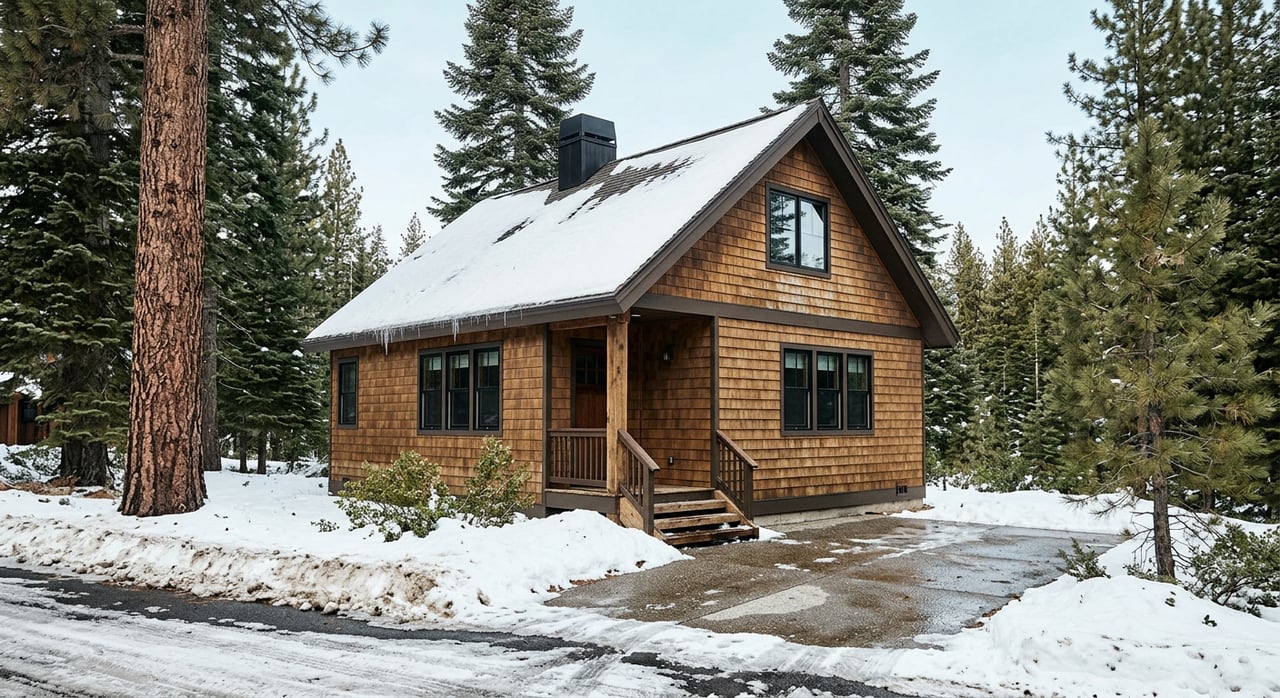
Looking for a foothold in Tahoe without lakefront prices? If you want central access to beaches, Heavenly, and trailheads, Sierra Tract — also known locally as Tahoe Sierra — often delivers more home for the money. You get an older neighborhood feel, nearby meadows and river access, and a practical path into South Shore ownership. In this guide, you’ll see real price context, rental rules, renovation upside, and a step‑by‑step checklist to buy with confidence. Let’s dive in.
Why Sierra Tract stands out
Sierra Tract sits near the center of South Lake Tahoe, close to the Trout Creek Meadow and the Truckee River corridor. Highway 50 and Sierra Boulevard make it easy to reach the Tourist Core, beaches, and Heavenly Mountain.
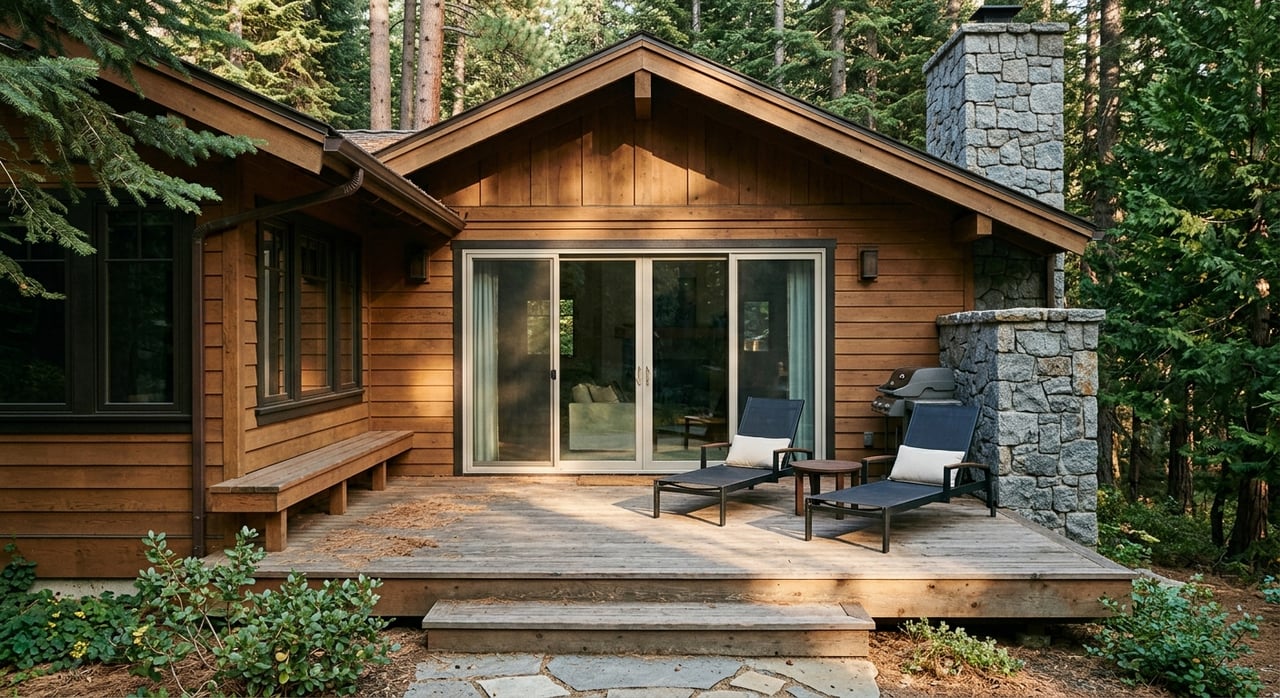
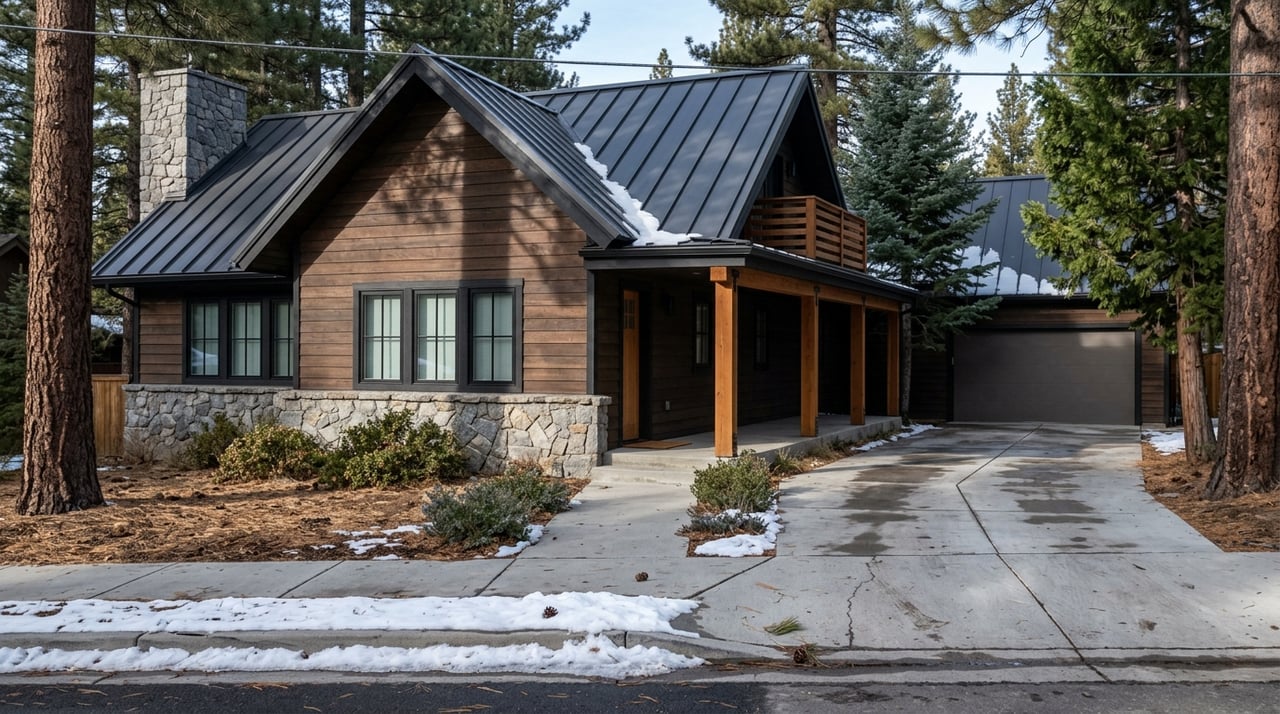
You’ll find mostly smaller single‑family homes, some duplexes, and a few small multifamily buildings along Sierra Boulevard. The compact lots and modest floor plans are a big part of the value story. For many buyers, that means a usable cabin now with room to modernize later.
What you can buy: typical homes and prices
Most parcels are near 50 by 100 feet and many houses were built in the mid‑20th century. Older homes often fall around 1,000 to 1,400 square feet, which keeps purchase prices lower than larger lake‑adjacent neighborhoods.
Observed listing and sold activity from 2024 through early 2026 shows a wide spread. Smaller cabins and fixers have appeared in the low to mid $300,000s. Many modest, move‑in ready homes cluster in the $400,000 to $700,000 range. Renovated properties, meadow or river‑edge lots, and multi‑unit parcels can trade higher, sometimes from the mid $700,000s to over $1 million. Treat these as ranges, not guarantees, and plan to request a current, block‑level CMA for precision.
How Sierra Tract compares citywide
Citywide price benchmarks vary by source and method. Zillow’s ZHVI for South Lake Tahoe shows a typical value around the low $630,000s through January 2026. Some MLS‑based market reports peg the median closer to $700,000 to $750,000 as of late 2025. ZHVI is an index of typical home value, while an MLS median reflects actual sold prices during a period, so they rarely match exactly.
Practically, Sierra Tract often sits at or below those citywide numbers, especially for smaller, older stock. That is why many buyers view the neighborhood as a smart entry into the market.
Rental outlook: long‑term and VHR potential
If you plan to hold for income, it pays to underwrite two paths.
- Long‑term rentals: Citywide asking rents have averaged in the low $2,000s per month in recent reports. That provides a steady baseline, but it is far below peak nightly revenue during ski and summer months.
- Short‑term rentals: Third‑party analytics show average daily rates around $400 to $460 with many months running 50 to 60 percent occupancy. Returns vary widely by property type and season. Lakefront and Tahoe Keys tend to outperform interior neighborhoods, so use an STR data provider or a local manager to model a specific address.
The VHR rules you must know
South Lake Tahoe’s short‑term rental landscape changed in 2025. The court overturned Measure T, and the City adopted amended vacation home rental regulations with a phased permitting program. Read the summary of the ruling and program restart in this local coverage of Measure T being overturned.
Here is what matters for your underwriting:
- You need a City permit to operate a whole‑home VHR in allowed areas. The program uses application windows and prioritizes some prior permit holders.
- Occupancy is calculated from bedrooms and paved parking. Specific signage, bear‑box, trash, and performance standards apply.
- Enforcement has teeth, with higher fines for non‑compliance.
Before you write an offer, check parcel eligibility and buffers in the City’s VHR program portal and cross‑check regional layers using the TRPA VHR map. These steps help you avoid a surprise that can change your numbers.
Renovation upside and real constraints
Many Sierra Tract homes benefit from practical upgrades like systems updates, new kitchens and baths, better storage, and smarter layouts. These improvements can lift both personal enjoyment and rental performance.
That said, Lake Tahoe’s regulatory environment is unique. TRPA land coverage and IPES scoring can limit additions. Local setbacks, ADU rules, and sewer or utility capacity may add steps and costs. Review TRPA guidance early to understand what is feasible and what requires mitigation. Start with the TRPA’s overview of regional plan and code amendments.
Utilities, fire, and insurance realities
South Tahoe Public Utility District (STPUD) operates water and wastewater locally. Confirm if a parcel is connected to sewer or needs a hookup, and ask about any current or upcoming fees that could affect your budget. STPUD considered rate changes in 2024 and 2025, so review their updates on rates and capital planning.
Wildfire risk is a real part of ownership in the Sierra. El Dorado County and the City enforce defensible space rules, and an inspection and proof of compliance may be required at sale for properties in higher fire severity zones. See the County’s Defensible Space Ordinance to plan timelines and costs. Insurance availability and premiums can also vary, especially if you plan to operate a VHR, so confirm carrier appetite early.
Financing: second home vs investment
Lenders price risk by how you will use the property. Second‑home financing often requires a larger down payment and healthy reserves compared with a primary residence. Investment loans, which apply to non‑owner‑occupied properties, typically require even higher down payments, stronger credit, and more cash reserves. For a quick primer on how down payments can vary, review this consumer guide on down payment basics. Align your loan type with your real usage plan, especially if you intend to market the home as a VHR.
A smart buyer checklist for Sierra Tract
Use this list to move from research to readiness:
- Confirm jurisdiction. Verify whether the address sits inside the City of South Lake Tahoe or in unincorporated El Dorado County, since VHR rules differ. Start with the City’s VHR info page.
- Get a block‑level CMA. Neighborhood medians are broad. Ask for a current, block‑level CMA that reflects the home’s condition, lot, and exact location.
- Check sewer and water. Contact STPUD about connection status, potential fees, and any planned work that could impact your holding or renovation budget. See their rate planning update.
- Verify VHR path. If short‑term renting is part of your plan, confirm permit availability, buffers, occupancy math, parking, and bear‑box requirements with the City. Review the City’s program standards and historical context under Measure T.
- Model STR performance. Use a professional STR data tool or a local manager to project ADR, occupancy, and costs. Industry reporting on California markets, like this overview of ADR and occupancy ranges, can frame expectations.
- Order wildfire and insurance checks. Schedule a defensible space assessment if applicable and obtain quotes for both standard and STR‑friendly insurance. Reference the County’s defensible space rules.
- Clarify renovation feasibility. Discuss TRPA coverage, setbacks, and potential ADU or addition plans early. Start with the TRPA’s code resources.
- Pre‑qualify the right loan. Align your financing with intended use. Review down payment guidance and confirm reserves, documentation, and rate impacts.
Is Sierra Tract a smart entry point?
If you want central access, a lower price per door, and the option to add value through targeted upgrades, Sierra Tract can be a compelling starting point. The neighborhood’s smaller lots and older homes often translate to approachable pricing, while proximity to meadows, the river corridor, and main arteries keeps lifestyle strong.
The key is to buy with clear eyes. Underwrite both long‑term and VHR scenarios, confirm permit pathways, and map any renovation against TRPA and local utility realities. When you align the numbers with your lifestyle goals, Sierra Tract can deliver a practical and enjoyable path into Tahoe homeownership.
Ready to evaluate a specific address or get a block‑level CMA? Connect with Ryan Smith for hyper‑local pricing, VHR guidance, and a step‑by‑step plan to buy with confidence in Tahoe Sierra.
FAQs
What and where is Sierra Tract in South Lake Tahoe?
- Sierra Tract, also called Tahoe Sierra, is a central residential neighborhood near Trout Creek Meadow and the Truckee River corridor with quick access to Highway 50, beaches, and Heavenly.
How much do homes cost in Sierra Tract in 2026?
- Recent activity shows smaller fixers in the low to mid $300,000s, many modest homes between $400,000 and $700,000, and renovated or special‑location properties from the mid $700,000s to over $1 million; request a current CMA for precision.
Are short‑term rentals allowed in Sierra Tract today?
- Yes, with a City permit in allowed areas; the City reopened a phased VHR program in 2025 after Measure T was overturned, and you should verify a parcel’s eligibility and buffers via the City VHR portal and TRPA VHR map.
What renovation limits should I expect in Tahoe Sierra?
- TRPA land coverage and IPES, local setbacks, ADU rules, and sewer or utility capacity can shape what you can add; review TRPA’s code resources and speak with the City before drawing plans.
What utilities and inspections should I confirm before buying?
- Verify sewer and water status with STPUD and review any fee or rate updates, and if the property is in a higher fire severity zone, plan for a defensible space inspection per the County’s ordinance.
How does financing differ for a second home versus an investment?
- Second‑home loans often require larger down payments and reserves than primary homes, while investment loans usually require even more capital and stronger credit; align your plan and review down payment basics.