Choosing between North Upper Truckee and in-town South Lake Tahoe is not really about picking one town over another. It is about deciding how you want to live day to day in the same compact alpine city. If you are weighing privacy, snow, errands, home style, and even rental rules, this guide will help you compare the tradeoffs clearly so you can focus your search with more confidence. Let’s dive in.
Why this comparison matters
South Lake Tahoe is a relatively small city at about 16 square miles, so these areas are not far apart in a big-city sense. Still, they can feel very different once you picture your daily routine, winter access, and the kind of home you want.
For most buyers, the real choice is this: Do you want a quieter forest-edge setting with more space, or a more connected in-town location with easier access to services and amenities? That is why North Upper Truckee and central South Lake Tahoe often attract different buyer profiles.
North Upper Truckee at a glance
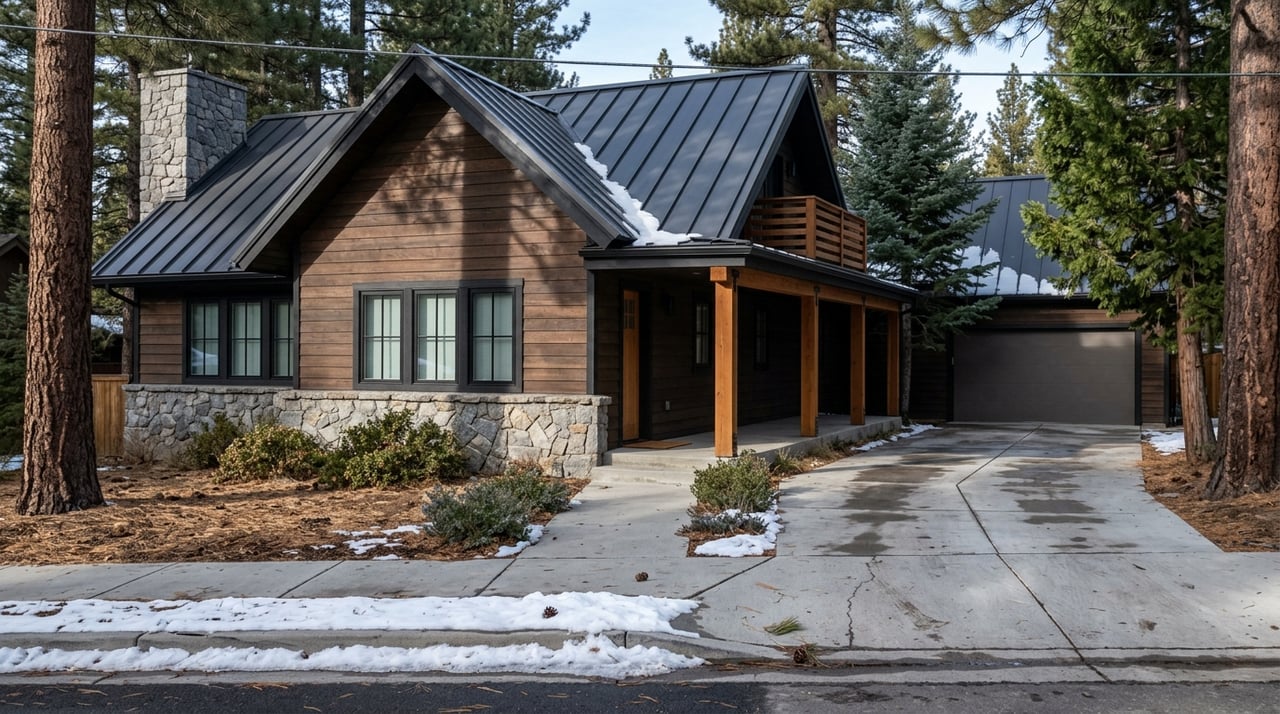
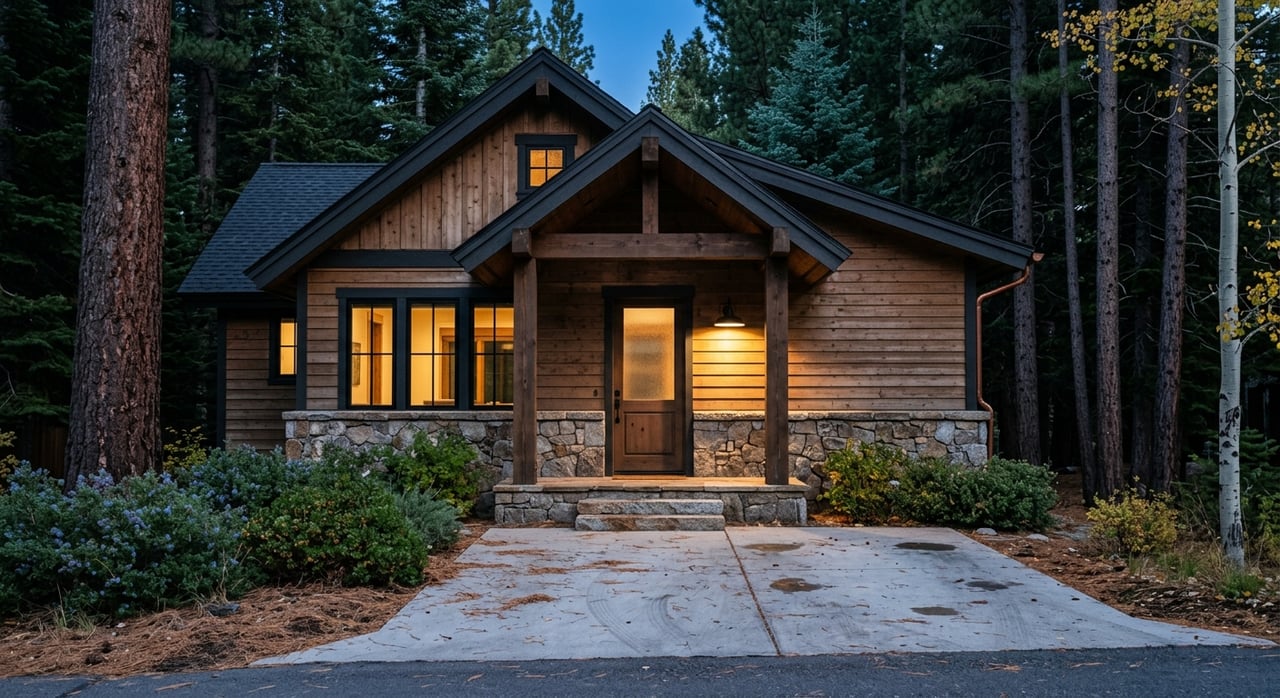
North Upper Truckee is generally known for a more private, residential feel. It sits southwest of The Y off Lake Tahoe Boulevard and is often described as a low-density, forested area with larger lots and more separation between homes.
Many parcels are around 10,000 square feet, and some back to Forest Service land. If you want tall pines, a quieter setting, and a little more breathing room around your property, this area often checks those boxes.
The neighborhood also has a mix of older mountain homes and newer custom construction. That newer building activity is tied in part to rebuilding after the 2007 Angora Fire, which is an important part of the area’s history and something buyers should understand.
In-town South Lake Tahoe at a glance
In-town South Lake Tahoe offers a different kind of appeal. Central areas include places near the Tourist Core, Bijou, Al Tahoe, and Tahoe Valley, where the housing mix and everyday access tend to be broader and more varied.
The Tourist Core is described by TRPA as the primary visitor and tourist district, with a walkable environment and access to hotels, restaurants, retail, Heavenly, the marinas, and Van Sickle Bi-State Park. Beyond that core, nearby in-town neighborhoods include a mix of single-family homes, duplexes, condos, apartments, motels, and small commercial uses.
If you want more options in both housing type and location, in-town South Lake Tahoe usually gives you more to compare. It can be a practical fit if your priority is staying closer to beaches, dining, shopping, transit, and other daily conveniences.
Daily lifestyle: privacy vs convenience
This is usually the biggest dividing line for buyers. North Upper Truckee tends to suit people who want a quieter residential cadence, more trees, and a little more distance from the busiest parts of town.
In-town South Lake Tahoe tends to work better if you want to be closer to where daily life happens. In areas like Al Tahoe and Bijou Pines, city planning materials point to access to retail, grocery options, restaurants, the post office, DMV, county offices, and other common services.
Neither choice is universally better. It depends on whether you picture yourself valuing a peaceful lot feel more than quick errands, or quick errands more than a tucked-away setting.
Getting around South Lake Tahoe
Transportation is one of the clearest practical differences between these two options. The city says Tahoe Transportation District provides fixed-route transit, including regional commuter service to Minden, Gardnerville, and Carson City, and Lake Link microtransit operates throughout the service area.
South Lake Tahoe also has bike path access that starts at El Dorado Beach and runs through the city into Nevada. That adds another layer of convenience for buyers who like to get around without always using a car.
North Upper Truckee is typically more car-dependent. TRPA’s 2023 Unmet Transit Needs report says service to or in Meyers or North Upper Truckee was requested repeatedly but had been discontinued because ridership was too low and the need was not considered reasonable to meet at that time.
If you want more built-in flexibility for commuting, errands, or recreation, in-town usually has the edge. If you are comfortable driving for most trips, North Upper Truckee may still be a strong match.
Home styles and lot feel
North Upper Truckee and in-town South Lake Tahoe do not just differ in location. They also differ in the kind of housing experience you are likely to find.
North Upper Truckee homes
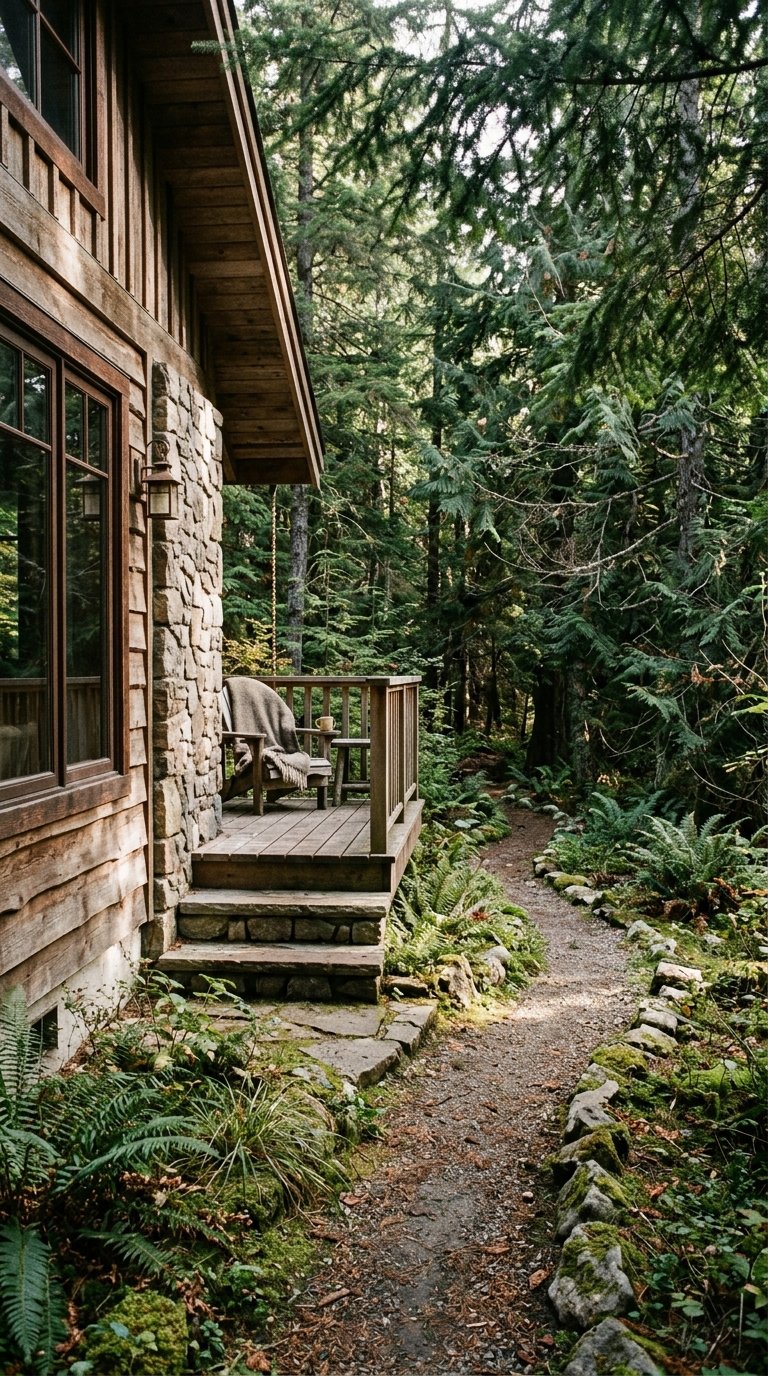
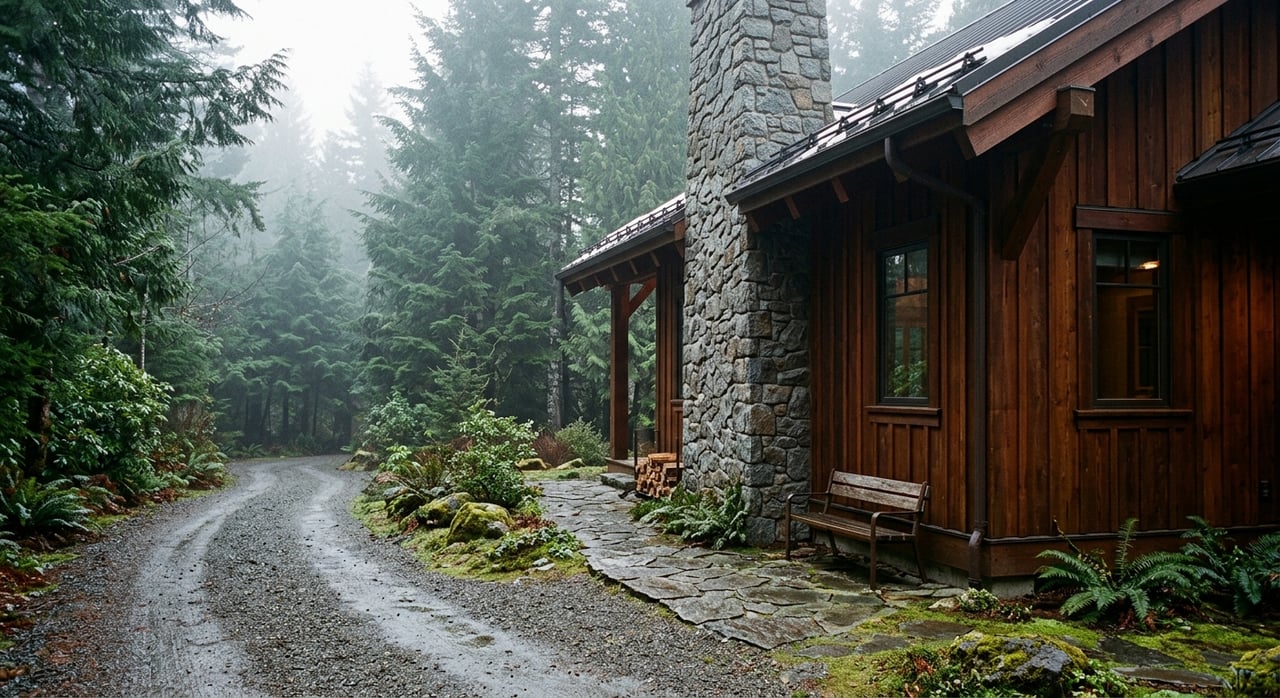
North Upper Truckee generally appeals to buyers looking for larger parcels, wooded surroundings, and a stronger sense of privacy. Homes here often feel more tucked into the landscape, and the neighborhood pattern is less tightly packed than many central areas.
If you are drawn to a classic Tahoe setting with natural forest adjacency, this can be a compelling place to focus your search. It may also appeal to buyers who want more separation from mixed-use activity.
In-town housing options
In-town South Lake Tahoe offers much more variety. City and TRPA materials describe a mix that can include older cabins, modern homes, vacation homes, condos, apartments, duplexes, and higher-density residential uses.
That variety can be helpful if you are still deciding between a detached home and a lower-maintenance property. It can also help if you want to compare lifestyle goals and budget across multiple housing types in a smaller geographic area.
Winter and wildfire considerations
In Tahoe, every home search should include a realistic look at seasonal conditions and fire preparedness. This matters in both North Upper Truckee and in-town neighborhoods, but the way it shows up in daily life can differ.
Wildfire history and defensible space
South Lake Tahoe Fire Rescue directs property owners and buyers to defensible-space requirements and the Living With Fire guide. TRPA also supports forest-health work and defensible space across the basin.
For North Upper Truckee buyers, fire history deserves extra attention. TRPA notes that the 2007 Angora Fire began in the North Upper Truckee area and destroyed 254 homes, so it is wise to evaluate a property with an eye toward vegetation, access, and ongoing maintenance responsibilities.
Snow access and property upkeep
Winter access is also part of the equation. The city provides snow-plow tracking and requires owners and tenants next to city rights-of-way to keep sidewalks and walkways substantially clear within 12 hours after a snow event.
For buyers, that means it is smart to think beyond square footage and finishes. Driveway layout, roof snow, plow access, and how much snow a particular area tends to receive can all affect how easy a home feels in winter, especially in more wooded or elevated locations.
Short-term rental rules and parcel-specific research
If rental income or short-term rental flexibility is part of your plan, you need to treat that as a parcel-level question, not a neighborhood assumption. This is especially important in South Lake Tahoe, where city and county rules can differ.
South Lake Tahoe adopted VHR amendments on March 24, 2026, effective April 23, 2026, including a cap of no more than 900 permits in residential areas. El Dorado County operates a separate VHR division and specifically tells applicants to verify whether a parcel is inside city limits or county jurisdiction.
The city zoning map is also parcel-based and shows the applicable land-use document for each parcel. For buyers comparing North Upper Truckee and in-town locations, that means the right question is not just “Can I rent here?” but “What do the current rules say for this exact property?”
Which buyers fit each area best?
A simple side-by-side view can help narrow your search.
| Buyer priority | North Upper Truckee | In-town South Lake Tahoe |
|---|---|---|
| Privacy | Strong fit | Varies by neighborhood |
| Larger lot feel | Strong fit | Less consistent |
| Walkability to services | Limited | Stronger overall |
| Transit access | More limited | Better overall |
| Housing variety | More focused on detached residential feel | Wider mix of homes and property types |
| Forest-edge setting | Strong fit | Available in some pockets, but less defining |
| Car-free convenience | Less likely | More likely |
If you want space, trees, and a quieter residential setting, North Upper Truckee may feel more natural. If you want easier access to shops, beaches, restaurants, transit, and a broader range of housing options, in-town South Lake Tahoe may give you more flexibility.
A smart way to compare both
If you are still unsure, the best strategy is often to tour both styles of location with your day-to-day habits in mind. Think about how often you want to drive, how important privacy is, how much winter upkeep you are comfortable with, and whether you care about rental use or investment potential.
It also helps to compare North Upper Truckee not only with one central neighborhood, but with the broader in-town options closest to daily life, including Tourist Core, Bijou, Al Tahoe, and Tahoe Valley. That gives you a more accurate picture of what “in-town” really means in South Lake Tahoe.
The right fit usually becomes clearer when you weigh lifestyle and long-term property goals together. If you want local guidance that looks at both sides of the decision, connect with Ryan Smith to start your search.
FAQs
What is the main difference between North Upper Truckee and in-town South Lake Tahoe for buyers?
- North Upper Truckee is generally better known for privacy, trees, and larger-lot residential living, while in-town South Lake Tahoe is usually better for access to services, transit, and a wider mix of home types.
Is North Upper Truckee more car-dependent than central South Lake Tahoe?
- Yes. TRPA reported that transit service to or in Meyers and North Upper Truckee had been discontinued due to low ridership, while central South Lake Tahoe has access to fixed-route transit, microtransit, and city bike path connections.
Does in-town South Lake Tahoe offer more home variety than North Upper Truckee?
- Yes. City and TRPA materials describe in-town areas as having a broader mix of single-family homes, condos, apartments, duplexes, cabins, and mixed-use settings than North Upper Truckee.
Should buyers consider wildfire risk in North Upper Truckee and in-town South Lake Tahoe?
- Yes. Fire preparedness matters across the basin, and it is especially important in North Upper Truckee because TRPA notes the 2007 Angora Fire began in that area.
Are short-term rental rules the same in North Upper Truckee and in-town South Lake Tahoe?
- Not always. Rules depend on the exact parcel and whether it falls under South Lake Tahoe or El Dorado County jurisdiction, so buyers should verify current regulations for each property they consider.