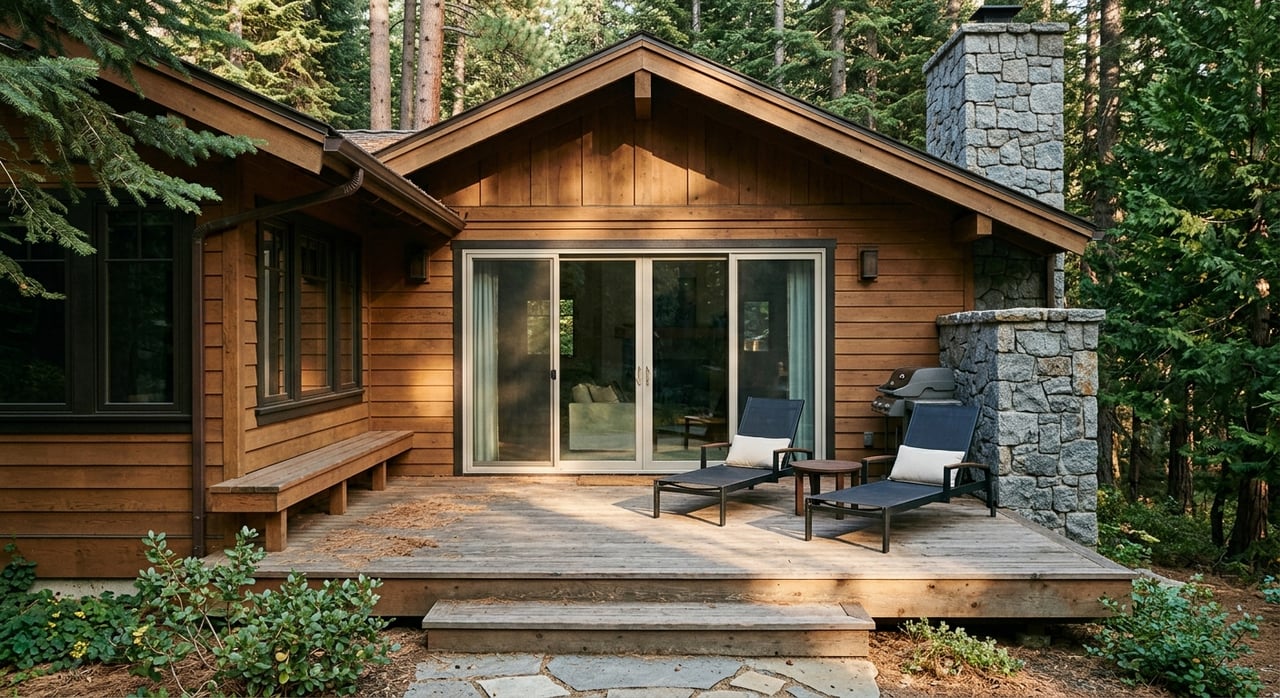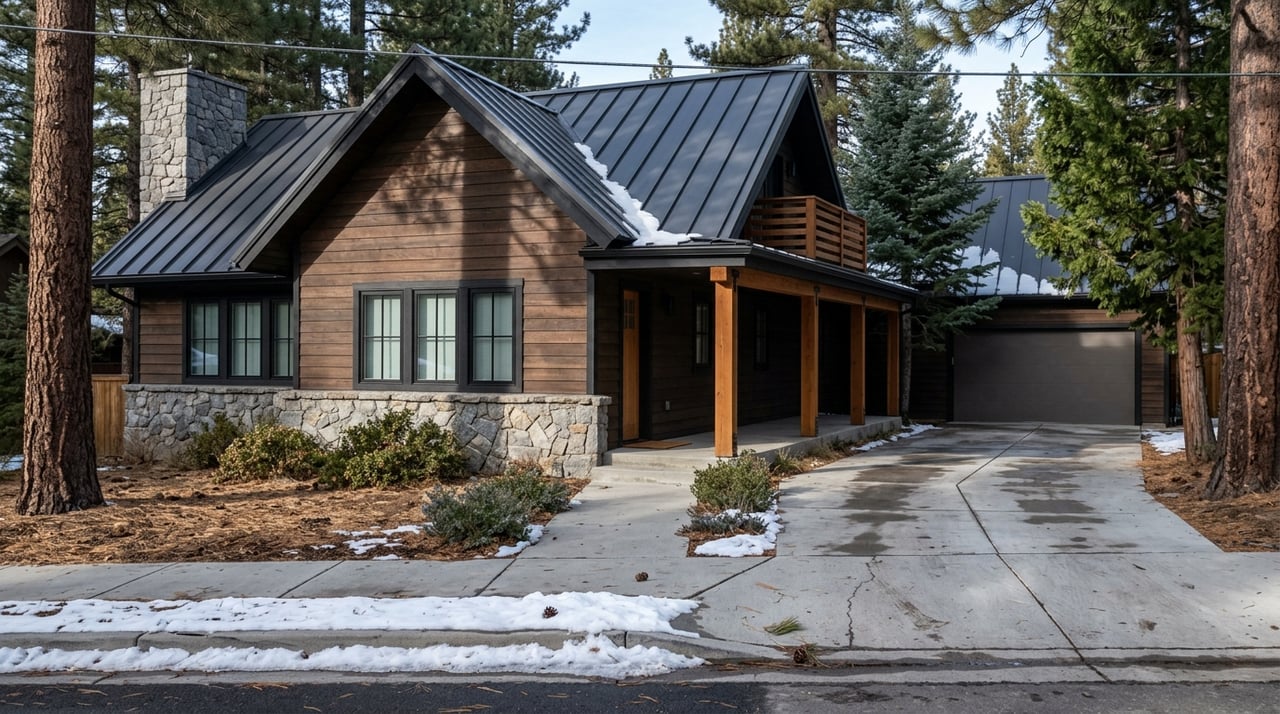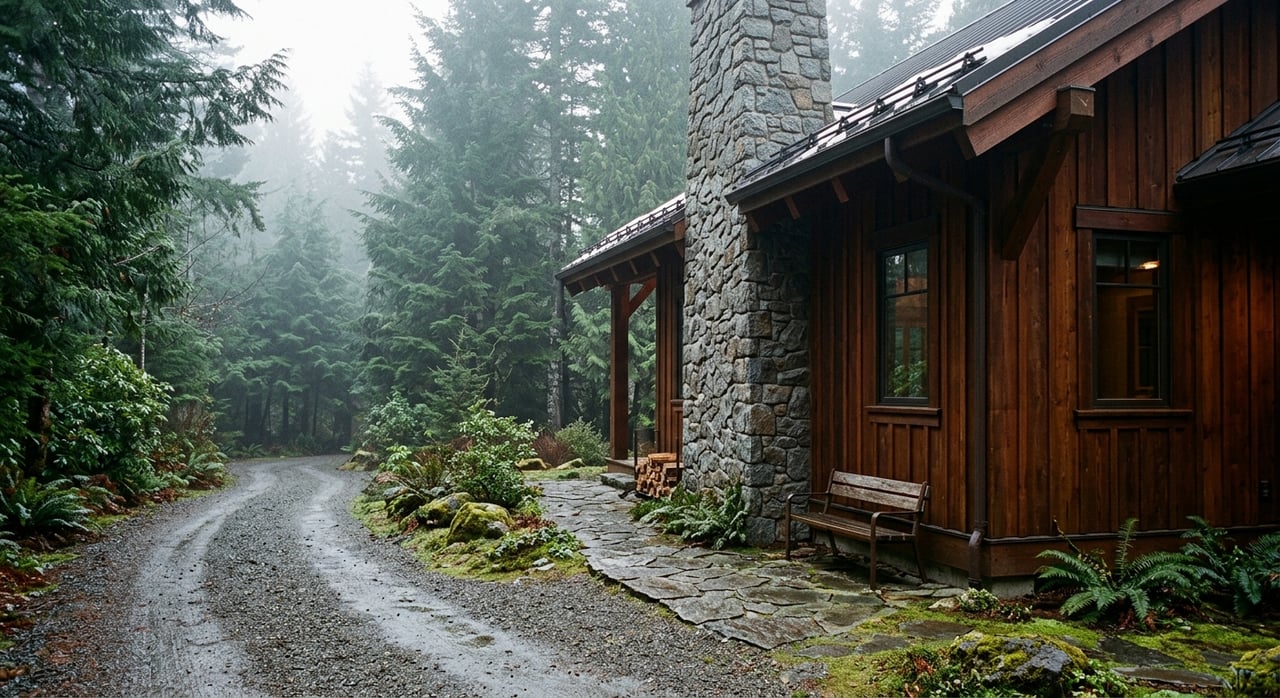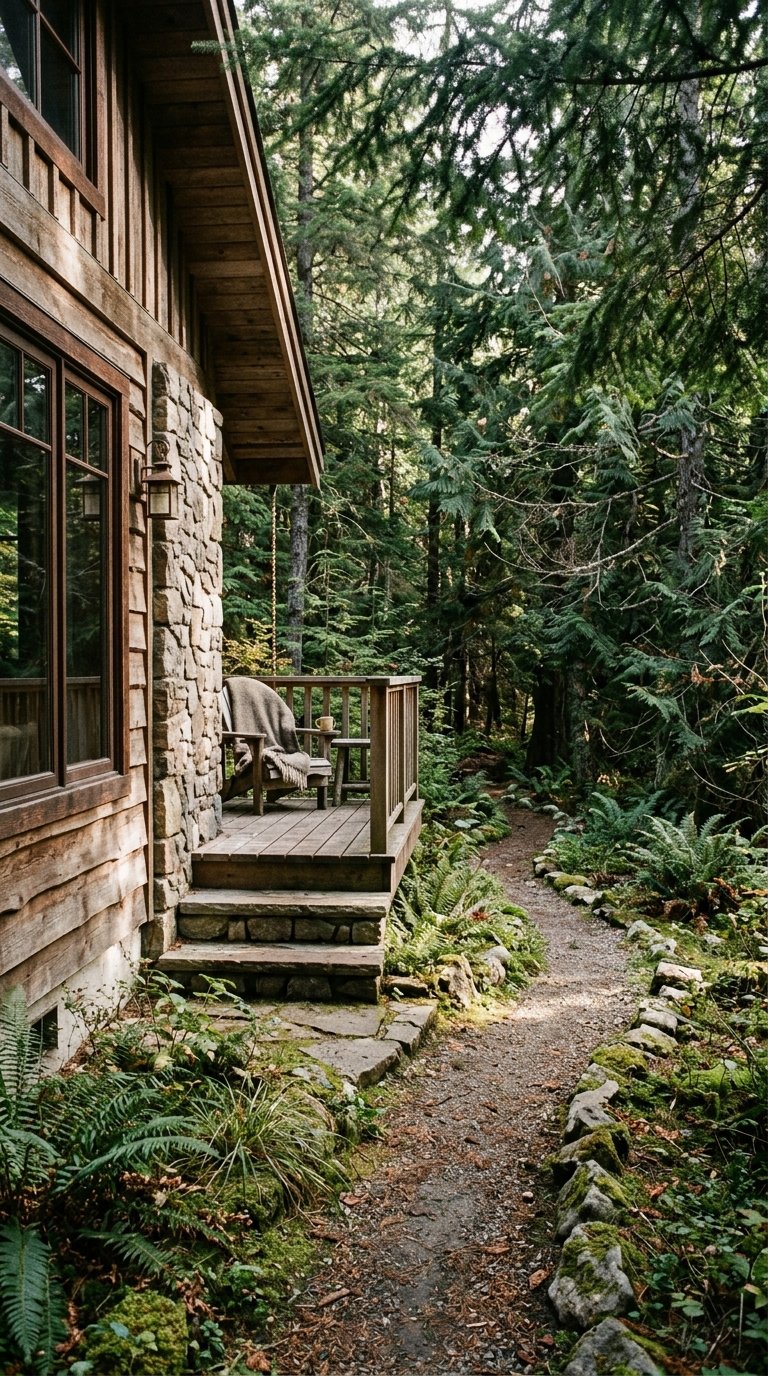
If your ideal Tahoe day starts with a trail instead of a traffic light, Montgomery Estates deserves a closer look. This South Lake Tahoe neighborhood offers a rare mix of wooded surroundings, creek corridors, and direct connections into one of the area’s best-known trail systems. If you are trying to understand what daily life here really feels like, this guide will help you see how trail access, seasonal rhythms, and practical ownership responsibilities come together. Let’s dive in.
Montgomery Estates in Context
Montgomery Estates sits within South Lake Tahoe’s alpine basin, where homes, forest edges, and open land often exist side by side. South Lake Tahoe has a population of just over 22,525 across about 16 square miles, which helps explain why even city neighborhoods can still feel closely tied to nature.
County erosion-control documents describe Montgomery Estates as bounded by Pioneer Trail, Trout Creek, and Cold Creek. That matters because it places the neighborhood in a setting shaped by stream corridors and wooded terrain, not just streets and lot lines.
For many buyers, that is the real appeal. You are not just choosing a home here. You are choosing a forest-based lifestyle with easy access to the broader South Shore outdoor network.
Trail Access Near Montgomery Estates
One of the clearest lifestyle advantages in Montgomery Estates is how quickly you can move from neighborhood streets to dirt trail. The area is especially notable for its connection to the Railroad Trail and the larger Corral trail system.
According to the TAMBA South Tahoe trail map, Railroad Trail is about 2 miles long and offers a beginner-to-intermediate ride or hike through ponderosa pine and meadows along Trout Creek. It also functions as an important connector from Montgomery Estates to the bottom of Corral Trail.
That connector role is a big deal if you want options. Instead of driving far to reach recreation, you may be able to access a trail experience that starts close to home and expands into a much larger network.
Railroad Trail and Trout Creek
Railroad Trail is one of the most approachable outdoor assets tied to Montgomery Estates. Its flatter terrain and meadow-and-forest setting make it a good example of how this neighborhood blends ease of access with a true Tahoe landscape.
Because the trail follows the Trout Creek area, the experience feels rooted in the local terrain that defines the neighborhood itself. For buyers who want outdoor access without jumping straight into a major climb, this type of connector can be especially appealing.
Corral Trail Network Connections
TAMBA describes the Corral area as the South Shore’s unofficial mountain bike hub. Trails in this system include Sidewinder, Cedar, and the Armstrong Connector, all of which link into bigger routes like Armstrong Trail, the Tahoe Rim Trail, Powerline, and Railroad Grade.
For you as a buyer, that means Montgomery Estates is not just near one trail. It sits within reach of a layered recreation network that supports everything from shorter outings to more ambitious days in the forest.
Access to Armstrong and Tahoe Rim Trail
Armstrong Trail climbs about 4 miles through forest from Fountain Place Road to Armstrong Pass on the Tahoe Rim Trail. The Tahoe Rim Trail itself is a 165-mile single-track loop around Lake Tahoe that passes through meadows, conifer forest, scree slopes, and alpine terrain.
This is part of what gives the neighborhood its long-term lifestyle value. You can enjoy local daily-use trails nearby, while still having access to one of the basin’s signature regional outdoor assets.
What the Forest Lifestyle Feels Like
In Montgomery Estates, the forest is not just scenery. It shapes pace, routines, and even how you think about homeownership. Creek corridors, wooded lots, and trail connectors all help create a setting that feels more connected to the landscape than a typical in-town subdivision.
North of the neighborhood, the Bijou Meadow plan area includes most of the meadow along Bijou Creek. City planning documents note cross-country skiing as an important winter use there and emphasize preserving or restoring the stream-environment zone.
That broader context matters because it shows how natural systems and recreation uses overlap in this part of South Lake Tahoe. Living here often means experiencing the year through changing trail conditions, snow patterns, and seasonal recreation.
Four-Season Outdoor Living
The U.S. Forest Service notes that Lake Tahoe Basin recreation includes biking, hiking, winter sports, horseback riding, and picnicking. In practical terms, that means the outdoor identity of this area is not limited to one season.
Summer and shoulder seasons may draw people toward biking and hiking, while winter shifts attention toward snow-based use in nearby open areas and meadow terrain. If you value variety, Montgomery Estates supports a lifestyle that changes with the calendar instead of standing still.
Quiet Setting, Active Days
A major part of the neighborhood’s appeal is the contrast between quiet residential streets and quick access to activity. You can enjoy a more tucked-away, wooded environment while still being positioned near trails that connect into some of South Shore’s most recognized recreation corridors.
That balance is important for many second-home buyers and lifestyle relocators. You get a setting that feels private and grounded in the landscape, but not isolated from the outdoor experiences that brought you to Tahoe in the first place.
Access Beyond the Neighborhood
Montgomery Estates feels forested and residential, but it is still part of a larger South Lake Tahoe mobility and recreation network. That broader connectivity can make a meaningful difference in day-to-day convenience.
The City of South Lake Tahoe’s bike path begins at El Dorado Beach, connects with other bike trails and lanes in the city, and continues into Nevada. That tells you the local trail and bike system extends well beyond any single neighborhood pocket.
The Dennis T. Machida Memorial Greenway is planned as a 3.86-mile paved trail from the Tahoe Sierra neighborhood to Van Sickle Bi-State Park. The city describes it as a backbone of the South Shore trail network that links neighborhoods to public amenities and facilities.
Taken together, these connections reinforce an important point. Living in Montgomery Estates can mean having a wooded home base while remaining tied to the wider South Shore system of bike routes, trails, and town amenities.
From Forest Edge to Town Access
TAMBA’s trail map places Van Sickle Trail behind the Heavenly Gondola and the Stateline casino area. That is a useful reminder that South Lake Tahoe’s recreation geography overlaps with its town-center and visitor-serving areas.
For you, this creates flexibility. A neighborhood can feel removed from busier corridors, while still sitting within the same overall network that links beaches, parks, trailheads, and commercial areas.
Practical Considerations for Buyers
The best way to understand Montgomery Estates is to see both sides clearly. Yes, it offers strong trail access and a true forest setting. It also comes with the practical realities that are normal for Tahoe ownership.
TAMBA notes that trail conditions can vary greatly with weather and season. So while access may be nearby, your experience on those trails will depend on the time of year and current conditions.
The Tahoe Rim Trail Association also notes that High Meadow dirt road is only open during summer, and Fountain Place is a steep, narrow one-lane road with very limited parking at trail-access points. In other words, nearby recreation is a real asset, but trailhead logistics still matter.
Seasonal Planning Matters
If you are buying with recreation in mind, it helps to think beyond a summer showing. A trail that feels simple to access in one season may have a very different rhythm in another.
This does not reduce the appeal of the neighborhood. It simply means your lifestyle here works best when you plan around snow, weather, parking limits, and changing terrain conditions.
Wildfire Readiness Is Part of Ownership
El Dorado County defines defensible space as the buffer between a home and surrounding vegetation that could ignite in a fire. County planning documents also place Montgomery Estates within the Lake Valley Fire Protection District service area.
That makes wildfire preparedness part of everyday ownership in this setting. If you are drawn to the trees, creeks, and forest character here, you should also be ready for the responsibilities that come with maintaining a home in a wooded mountain environment.
Why Buyers Look at Montgomery Estates
For many buyers, Montgomery Estates stands out because it offers more than a house in South Lake Tahoe. It offers a way of living that puts trails, forest edges, and seasonal recreation into your daily routine.
The neighborhood can appeal to full-time residents, second-home buyers, and lifestyle-focused purchasers who want a wooded feel without giving up access to the broader South Shore network. The value is not only in proximity, but in how naturally outdoor access fits into daily life.
If you are comparing South Lake Tahoe neighborhoods, this is one worth viewing through both a lifestyle and property lens. The right home here can support the Tahoe experience you want, while also requiring the kind of informed planning that mountain ownership deserves.
Whether you are searching for a primary home, a second home, or a property that aligns with your long-term Tahoe goals, local perspective matters. If you want help evaluating Montgomery Estates with both lifestyle and real estate value in mind, connect with Ryan Smith.
FAQs
What is trail access like in Montgomery Estates, South Lake Tahoe?
- Montgomery Estates has direct proximity to trail connectors including Railroad Trail, which links the neighborhood to the Corral trail system and broader forest recreation routes.
What kind of outdoor lifestyle does Montgomery Estates offer?
- The neighborhood offers a forest-centered lifestyle shaped by wooded terrain, creek corridors, nearby biking and hiking routes, and seasonal winter recreation in the surrounding South Lake Tahoe area.
Is Montgomery Estates close to major South Shore trail networks?
- Yes. Nearby connections lead toward Corral, Armstrong Trail, Powerline, and the Tahoe Rim Trail, and South Lake Tahoe’s wider bike and trail network extends across the city and into Nevada.
What should buyers know about living near trails in Montgomery Estates?
- Buyers should expect seasonal trail conditions, some trailhead parking limitations, and the normal responsibilities of mountain homeownership, including wildfire preparedness and defensible space.
Is Montgomery Estates a good fit for a quiet forest setting in South Lake Tahoe?
- Many buyers consider it appealing because it combines a quieter wooded setting with access to South Shore amenities, recreation corridors, and the larger Tahoe outdoor network.