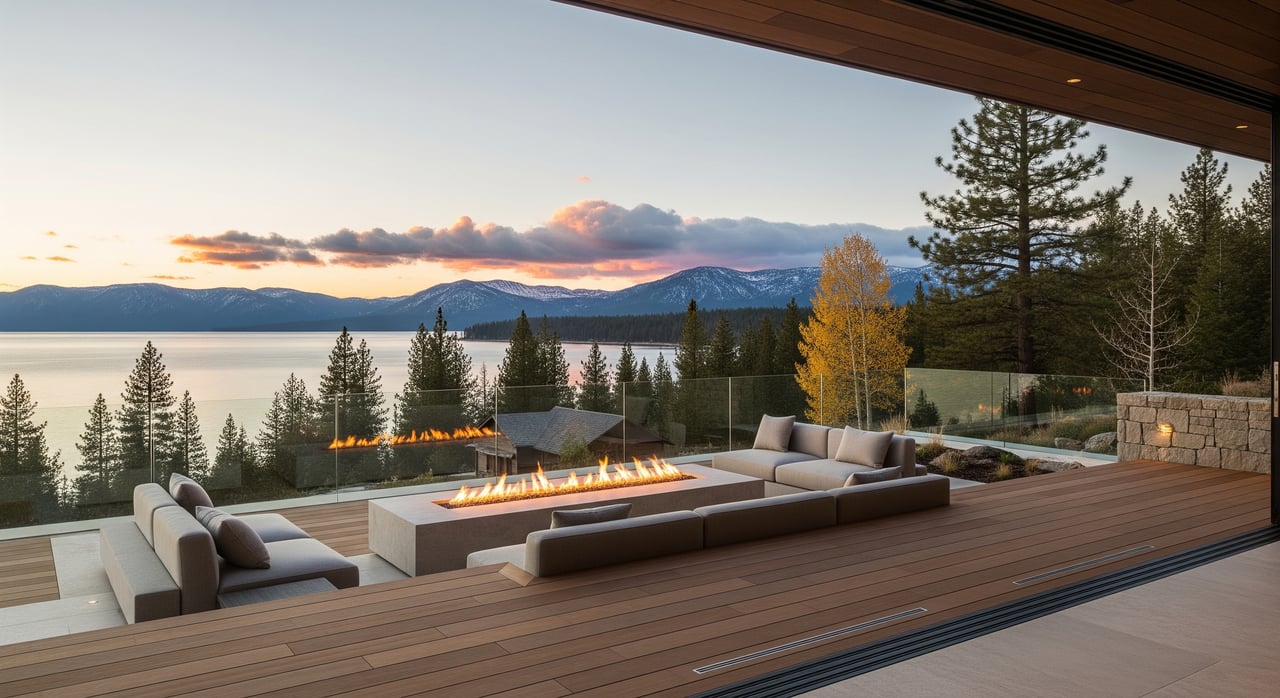
What does life in Al Tahoe really feel like when the snow stacks up, the lake warms, and the crowds ebb and flow? If you are weighing a move or a second home, you want to know the rhythm, not just the postcard views. You care about school-year routines, how weekends shift with the seasons, and which logistics will actually shape your day.
This guide walks you through winter, spring, summer, and fall in Al Tahoe so you can picture daily life, plan around seasonal realities, and decide if this South Lake Tahoe neighborhood fits your ideal year. You will learn how people get around, what opens and closes, where the fun happens, and which rules matter for property owners. Let’s dive in.
Winter in Al Tahoe
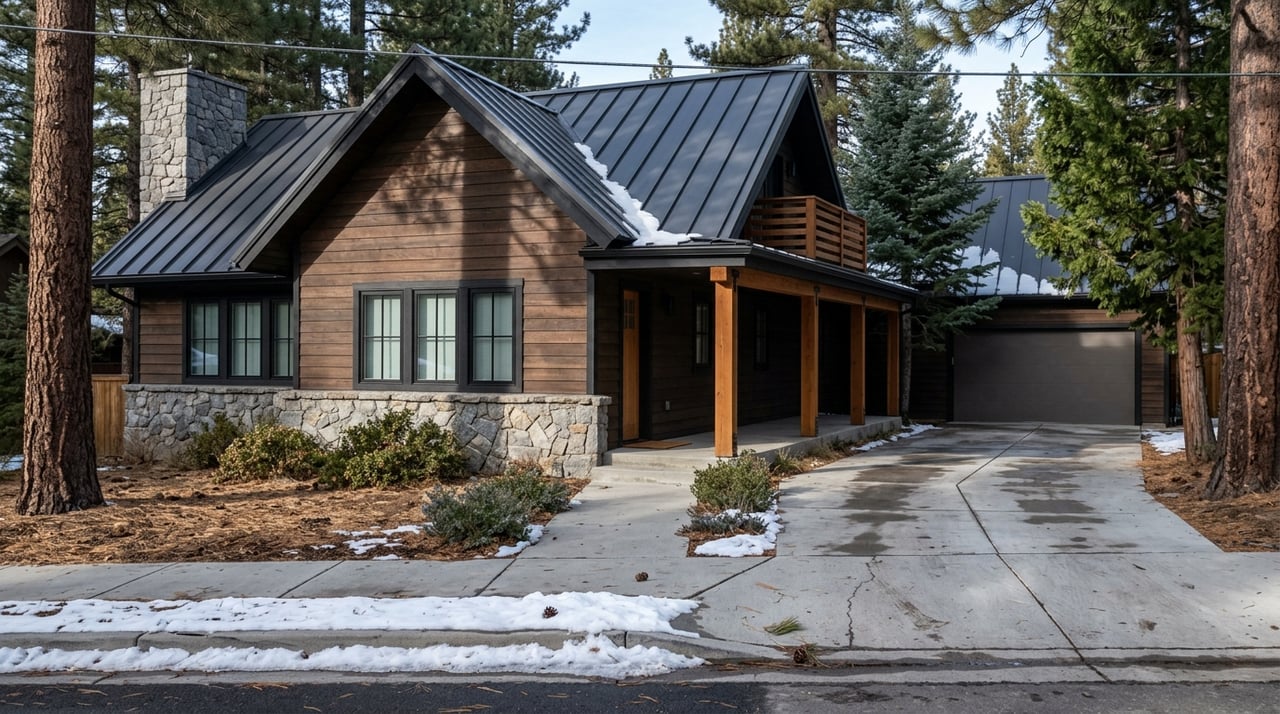
Winter brings frequent snowfall, cold nights, and a landscape that turns white fast. Snow can linger for weeks, and storms can stack up quickly at roughly 6,200 feet. You will feel the season in your routines, from morning driveway clearing to planning grocery runs around the forecast.
Lifestyle shifts toward mountain fun. You can reach Heavenly’s lifts by a short drive, and many locals also snowshoe, cross‑country ski, or enjoy winter festivals. Evenings lean cozy with dinners in, or a walk or short drive to restaurants that stay open year‑round.
Tourism peaks on holidays and weekends. Many businesses operate all winter, but some small shops reduce hours midweek in slower stretches. Expect chain controls on U.S. Highway 50 during storms, slower travel, and higher heating use at home.
Pro tip for daily life: set a snow removal plan early. Many homeowners hire private services for driveways and roofs, and you should understand street parking rules during snow events. Keeping a snow‑ready vehicle with chains or winter tires will make winter driving much easier.
Spring in Al Tahoe
Spring is a transition and often a favorite for locals. Snow melts in patches, trails reopen gradually, and weather swings from warm sun to surprise late snow. It is quieter than peak seasons, which makes it a good time for errands, home projects, and long walks without crowds.
If the snowpack is strong, you may still ski in late spring while lower‑elevation trails dry out. Businesses expand hours as visitor demand returns. It is a practical window for roof checks, exterior paint, and landscaping before the summer rush.
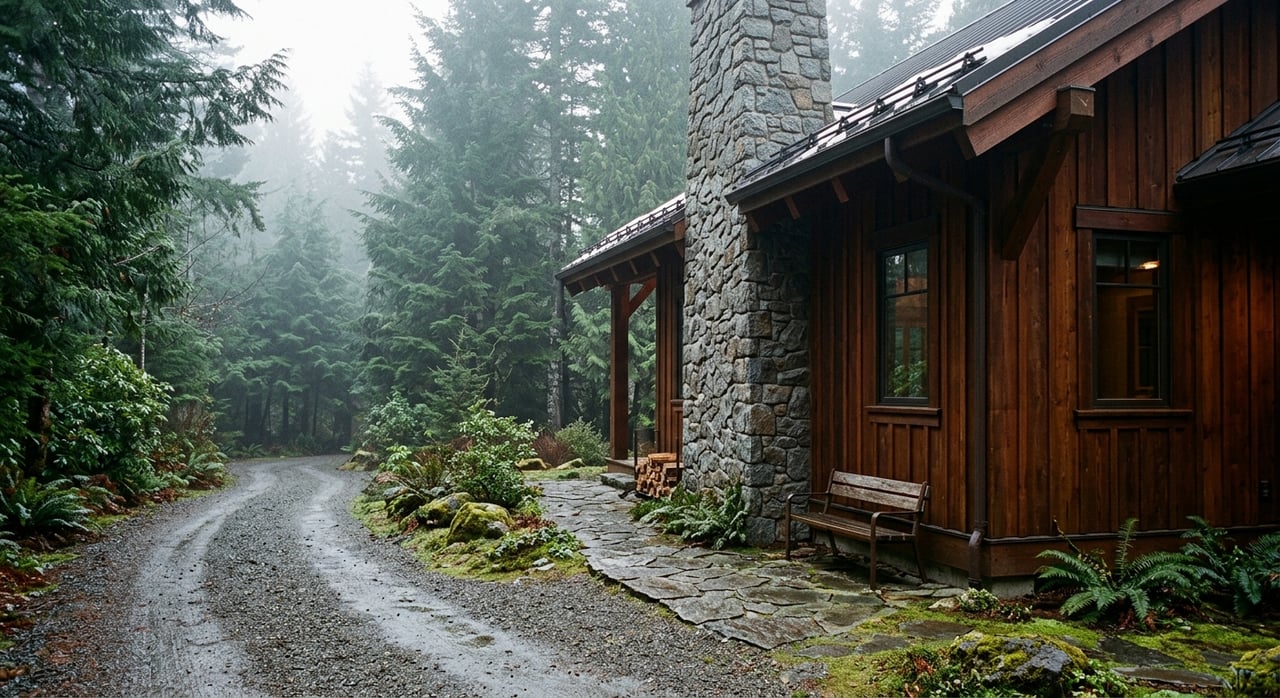
Expect muddy shoulder‑season conditions in April and May. Water flows ramp up with snowmelt, and you will want waterproof footwear for trails that are still thawing. Weekdays are calm and weekends bring a modest uptick in visitors.
Summer in Al Tahoe
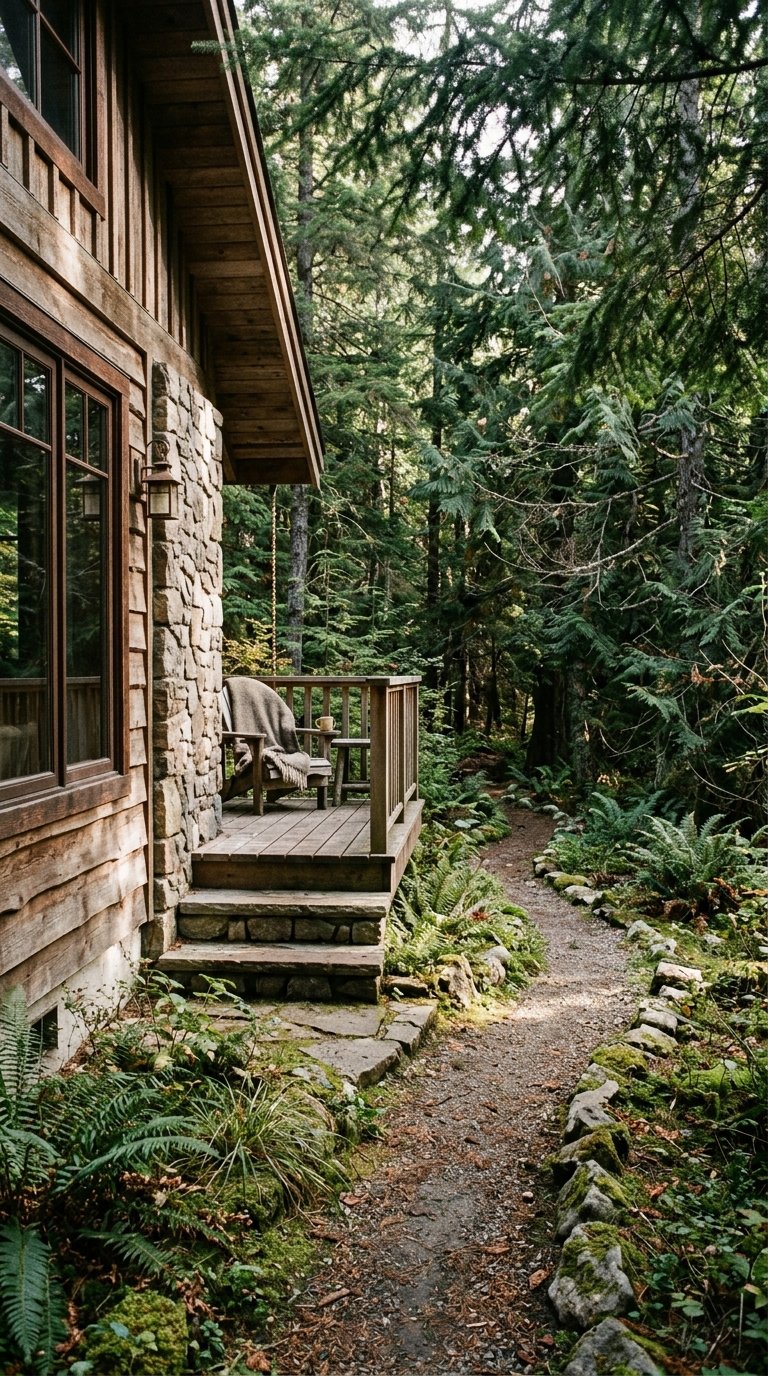
Summer is the showcase season. Days are warm, nights are cool, and the lake becomes your daily anchor. You will spend more time outside than you thought possible, with beach mornings, paddling or boating, and evening walks when the air cools.
This is peak visitor season. Restaurants, rentals, and entertainment run at full capacity with extended hours. Holiday weekends bring the biggest crowds, and parking fills early at popular beaches and marinas. Planning your schedule around early starts or sunset sessions helps.
Daily life becomes lake‑centric. You may keep a paddleboard on hand, schedule hikes and mountain bike rides before lunch, and plan dinner reservations in advance. Short‑term rentals are heavily used, and public services focus on visitor needs, which can shape traffic and parking.
Fall in Al Tahoe
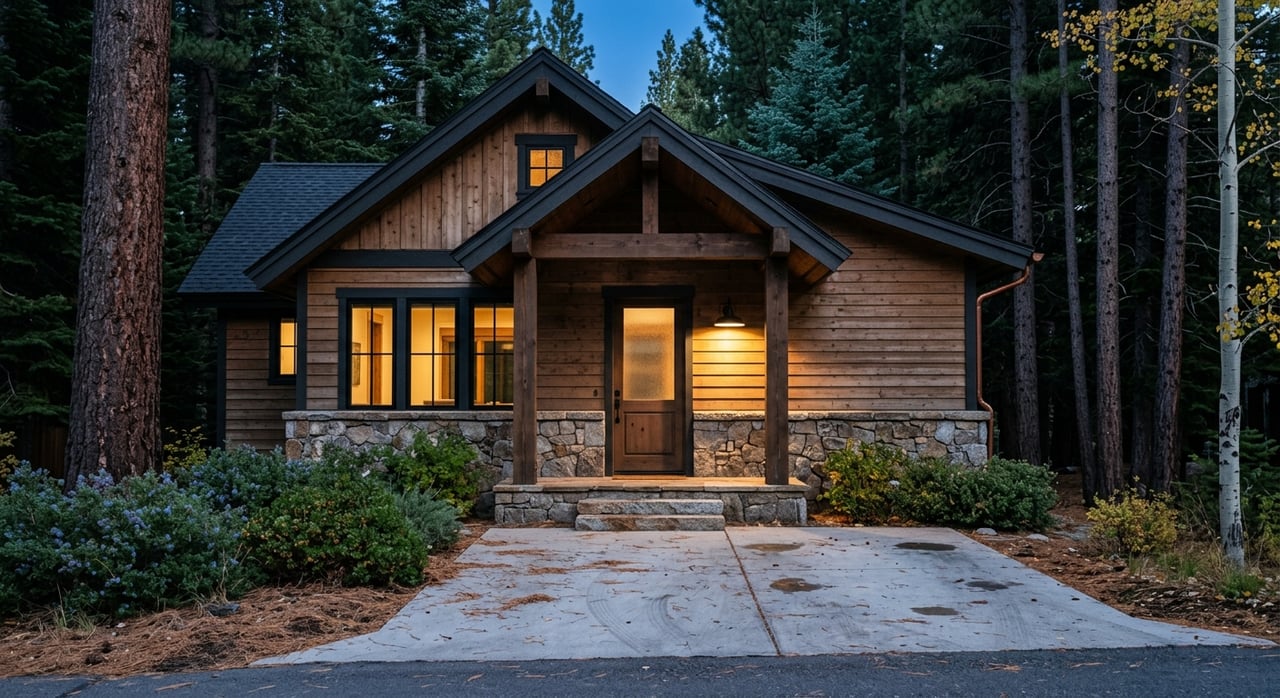
Fall is calm and crisp. Temperatures cool, aspens and other deciduous trees show color in parts of the basin, and the lake settles into a slower pace. Many year‑round residents say this is the most restorative stretch.
Trails and mountain biking are excellent, and crowds thin out. Visitor‑facing businesses start to reduce hours or close for the season in late fall. You will also see early snow potentials around November, so it pays to prepare winter gear and schedule any last exterior work.
It is an ideal time for reflection and planning. If you are a year‑round owner, this is when you button up defensible space, clean gutters, and service the heating system before the first big cold snap.
Getting around year‑round
Al Tahoe sits within South Lake Tahoe with primary road access via U.S. Highway 50 to the west and the Nevada side. In winter storms, Caltrans often implements chain controls on major routes. Keep chains in the car or run proper winter tires, and monitor conditions before you leave.
Reno‑Tahoe International Airport is commonly used and typically 50 to 75 minutes away by car depending on weather and traffic. Sacramento International is usually 2 to 2.5 hours. In active winter patterns, give yourself extra time.
Public transit options include regional systems that offer seasonal and year‑round routes. Schedules vary by time of year. Rideshare and taxis are available but more limited than large metro areas, so many residents plan errands and appointments with that in mind.
Housing and rentals
Al Tahoe mixes year‑round homes, second homes, and vacation rentals, with the benefit of lake proximity and access to local amenities. Inventory and pricing move with seasonal demand and lifestyle appeal, especially among buyers who want quick lake and mountain access.
Short‑term rentals are regulated by the City of South Lake Tahoe and El Dorado County. Permits, occupancy rules, inspections, and transient occupancy taxes apply. If you plan to rent, verify the current local rules and any pending changes for your specific parcel before relying on rental income.
When you evaluate a property, match the home’s layout, storage, and parking to seasonal realities. Think about snow storage off the driveway, a mudroom for winter gear, secure storage for paddleboards and bikes, and proximity to plowed streets.
Utilities and maintenance
Snow operations are part of life. City plows prioritize major routes, and many owners use private services for driveways, walkways, and roofs. Understand local street‑parking rules so plows can pass and you avoid citations during snow events.
Heating and energy use rise in shoulder seasons and winter. You will want a reliable heating system, well‑sealed windows, and a basic plan for power outages during severe weather. Many residents keep extra water, nonperishables, and a backup heat source or blankets on hand.
Wildfire risk exists in summer and fall. Local ordinances and state guidance require defensible space, and many owners participate in fuel reduction and fire‑wise landscaping. Plan annual maintenance for gutters, roof needles, limb clearance, and under‑deck cleanouts.
Water, sewer, and septic connections vary by parcel. Some properties tie into municipal systems while others rely on private setups. Confirm utility connections and any septic inspection needs during due diligence.
Recreation and amenities
Al Tahoe gives you direct or short‑drive access to the South Shore lakefront. In summer, boating, paddling, swimming, and shoreline time define daily life. Public beach capacity, parking rules, and fees affect ease of access on busy days, so go early or target evenings.
Heavenly Mountain Resort is the closest major downhill option for winter, with Sierra‑at‑Tahoe and Kirkwood reachable for day trips. Trail networks near the South Shore offer hiking, running, snowshoeing, and mountain biking in the right seasons. Always check seasonal closures and avalanche advisories where relevant.
Dining and shopping follow the seasons. Core services operate year‑round, while many visitor‑facing spots expand hours in summer and winter peaks. Depending on your exact location, you may be able to walk to dining or choose a short drive, especially on snowy nights.
Community events shift with the calendar. Expect farmers’ markets, concerts, and lake festivals in summer, holiday events in winter, and a lighter schedule in the shoulder seasons. Many locals prefer those quiet windows for relaxed meetups and trail time.
Environmental realities
Lake Tahoe’s clarity and shoreline health are protected by regional policies. Expect rules that govern shoreline development, piers, buoys, and boat inspections to prevent invasive species. If you own or plan projects near the lake, build timelines with erosion control and permitting in mind.
Wildfire and forest health programs are active, with guidance from state and local agencies. Defensible space requirements and occasional prescribed burns are part of the basin’s strategy. Factor fuel‑reduction costs and maintenance into your annual property plan.
Wildlife is present. Black bears and other species move through residential areas, especially around unsecured trash. Follow local guidelines for bear‑resistant containers and food storage to avoid conflicts. Peak‑season noise and short‑term rental turnover can also affect neighborhood quiet at times.
A day in each season
Winter morning: You check the forecast, run a quick shovel pass on the walkway, and warm the car. After a powder morning at Heavenly, you grab groceries and head home before the next band of snow. Dinner is a simmered soup and a movie while the plows make the rounds.
Spring Saturday: The sun is out, the trail is half thawed, and you have it mostly to yourself. A late lunch near town, then a gear cleanout and garden prep while the last snow piles shrink. The evening is quiet, with a jacket for the cool air.
Summer weekday: You walk to the lake early for a paddle, work from home or the deck through midday, then head back to the water at dusk. You booked dinner ahead, and you park the car once for the night. Windows open, you sleep cool.
Fall afternoon: You ride a favorite trail in crisp air, then sweep pine needles and check gutter guards. A calm dinner out, maybe a concert in town, and an early night with an eye on the first snow in the forecast.
Is Al Tahoe a fit for you?
Choose Al Tahoe if you want strong seasonal contrasts and direct access to both lake and mountain life. You will trade easy winter drives for powder mornings and quiet fireplace nights. You will trade summer crowds for long, light‑filled days on the water and lively evenings.
If you plan to rent, know the short‑term rules before you buy. If you plan to live here full‑time, build routines for snow, wildfire readiness, and shoulder‑season schedules. The payoff is a lifestyle that changes with the calendar and keeps you close to the best of Tahoe year‑round.
Ready to shape your Tahoe plan with local guidance on lifestyle, regulations, and value? Connect with Ryan Smith to compare streets, assess property fit, and start touring homes.
FAQs
Can you live in Al Tahoe year‑round comfortably?
- Yes. Many residents live year‑round, and comfort comes from embracing winter routines, preparing vehicles for storms, and planning around seasonal business hours.
How severe are winters in Al Tahoe and how to prepare?
- Expect regular snowfall, cold nights, chain controls on major roads, and slower travel; set a snow‑removal plan, service your heating system, and keep chains or winter tires ready.
Are short‑term rentals allowed in Al Tahoe and how are they regulated?
- Short‑term rentals are regulated by the City of South Lake Tahoe and El Dorado County with permits, occupancy rules, taxes, and inspections, so verify current rules for your property.
What are the tradeoffs between summer and winter living in Al Tahoe?
- Summer offers warm lake days and many open businesses but more traffic and parking pressure, while winter delivers ski access and a cozy pace with routine snow management.
What should I check during an Al Tahoe property visit?
- Confirm utilities, snow storage and driveway design, roof condition for snow load, proximity to plowed streets, STR permit history, defensible space status, and walkability to amenities.
How are schools and youth programs for South Lake Tahoe residents?
- Public education is provided through the Lake Tahoe Unified School District, and availability of childcare and after‑school programs can be more limited than in larger cities.
How long is the drive to nearby airports from Al Tahoe?
- Typical drive times are about 50 to 75 minutes to Reno‑Tahoe International and 2 to 2.5 hours to Sacramento International, with longer times during winter storms.
How should I plan for wildfire, wildlife, and environmental rules?
- Maintain defensible space, follow local trash and food‑storage guidance to avoid wildlife conflicts, and expect shoreline and boating regulations that protect lake clarity and habitat.