Torn between Montgomery Estates and North Upper Truckee? You’re not alone. Both South Shore neighborhoods offer access to the Tahoe lifestyle, but the day-to-day experience can feel very different. In this guide, you’ll learn how sun exposure, trail access, winter practicality, and the route to Stateline and Heavenly can shape your routine. You’ll also get a simple checklist to use while touring. Let’s dive in.
Quick orientation: how these areas are defined
Neighborhood names in South Lake Tahoe are informal. Boundaries can shift depending on local use, MLS references, and county parcel maps. That means two homes a few blocks apart might fall under different rules or service districts.
Before you compare properties, plan to verify parcel details with county and regional resources. Utilities, environmental overlays, and land-use rules can differ by lot. These factors affect what you can build, remodel, or even where you can store snow in winter. Treat each address as unique and confirm details during due diligence.
Sun exposure and microclimate
Sun and snow behavior in Tahoe can change from house to house. Four factors drive most of the difference: lot aspect, slope, tree canopy, and elevation.
What really affects sun and snow
- South-facing aspects generally receive more direct sun and shed snow faster.
- Steeper south-facing slopes often warm quickly in winter.
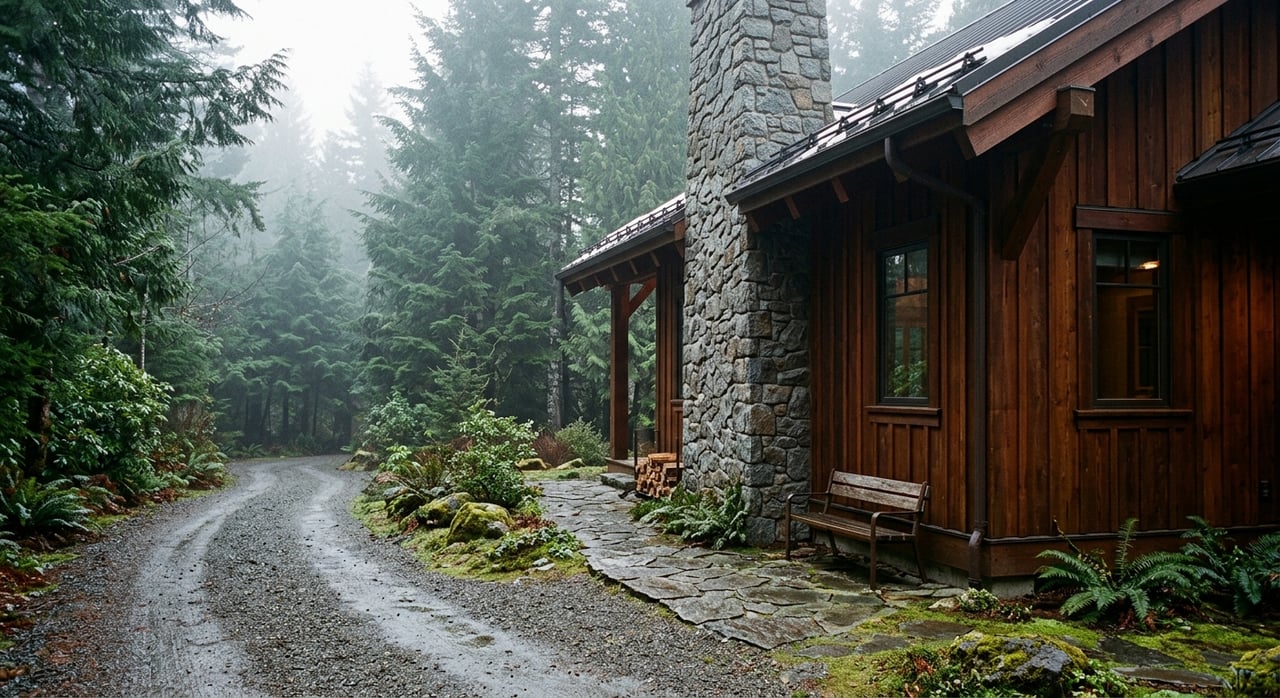
- Dense forest canopy reduces solar gain and slows snow melt.
- Areas closer to the lake can feel slightly more moderate.
How that plays out here
Across both neighborhoods, you’ll find a mix of sunny pockets and cooler, shaded streets. Valley-floor settings and south-facing ridges tend to enjoy more afternoon sun, which helps with winter driveway melt and shoulder-season comfort. North-facing or heavily wooded parcels usually keep snow longer into spring. The takeaway: evaluate exposure lot by lot, including driveway orientation and grade.
Trails and outdoor access
South Shore is a trail hub that connects neighborhood spurs to river paths, cross-country routes, and the Tahoe Rim Trail. Your ideal trail access depends on how you like to move each day.
Flat paths, river corridor, and lake reach
If you prioritize daily walks, runs, or family-friendly bike rides on gentler terrain, the valley-floor network matters. North Upper Truckee often places you closer to the Upper Truckee River corridor and connectors that lead toward flatter multi-use paths. That proximity can make quick outings and casual rides easier.
Singletrack, ridge runs, and forest loops
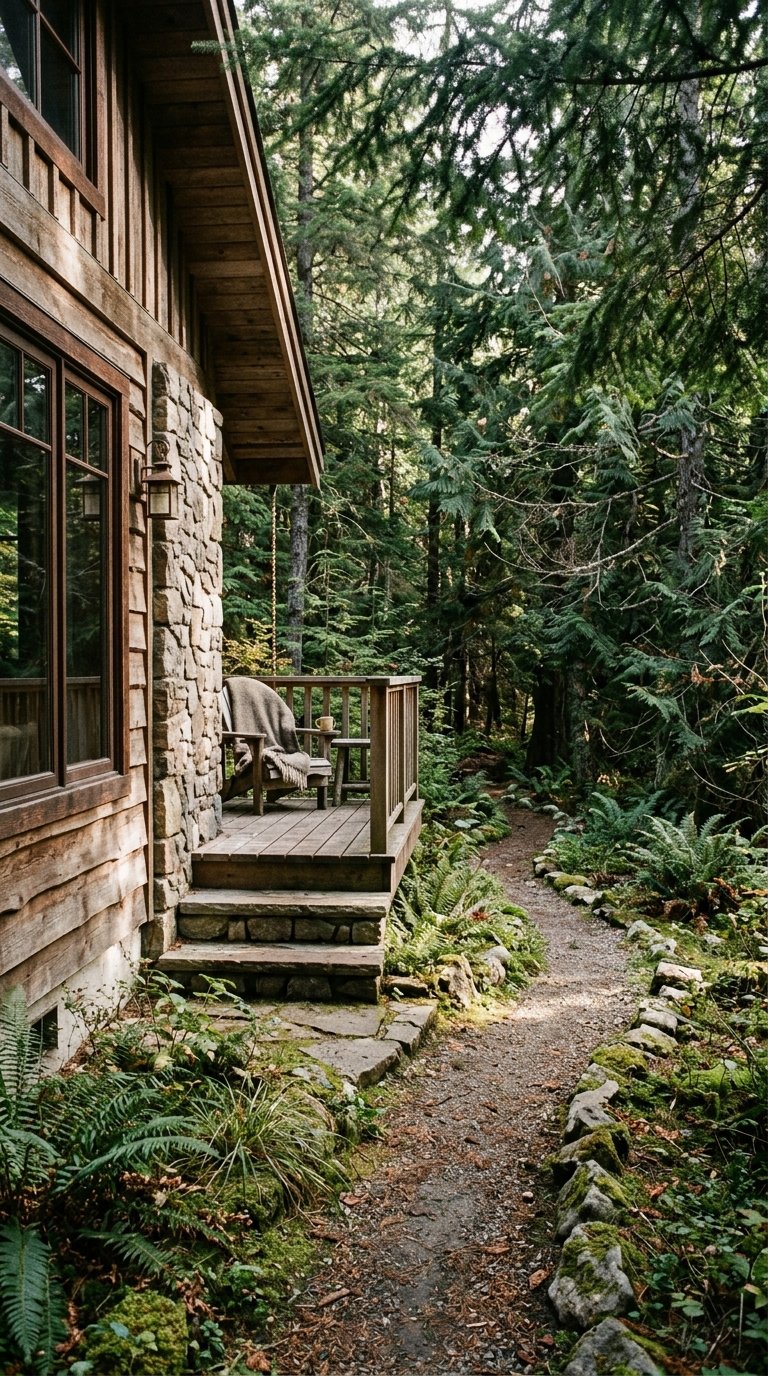
If you lean toward mountain-bike singletrack or ridge hikes, proximity to forested side trails and ridge connectors is key. Many Montgomery Estates parcels sit near forest access points and connectors that lead to longer backcountry routes, depending on the exact location. Always confirm the nearest trailheads and parking areas for any specific address.
Commute to Stateline and Heavenly
Practical resort access depends on more than distance. The actual route, winter grades, and congestion patterns all factor in.
- US-50 is the main east-west artery to the casinos and Heavenly access points.
- Some neighborhood streets are direct; others wind through local roads that slow down during storms.
- Winter weather, chain controls, and holiday traffic can add significant time.
- Seasonal shuttles and park-and-ride options vary. If you prefer not to drive, check current schedules when you shop.
Tip: test your preferred route at different times of day in both summer and winter. Simpler winter routes with gentler grades usually beat a marginally shorter distance.
Home styles and lots you’ll find
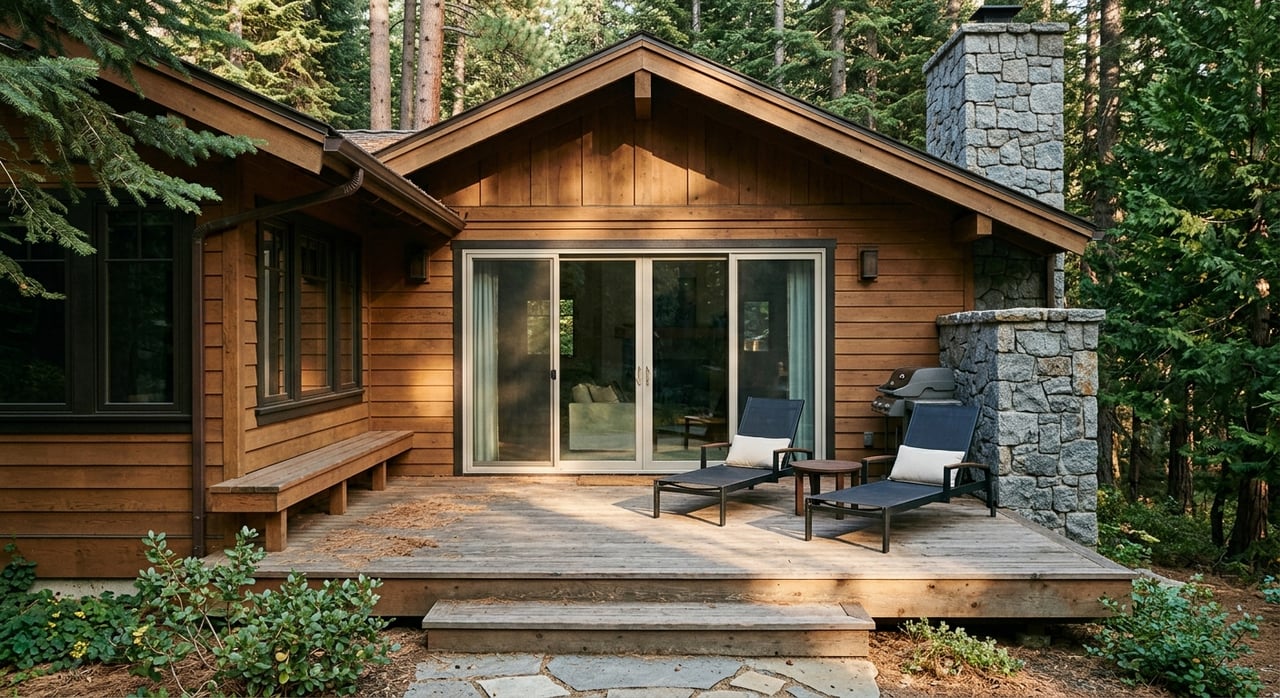
Both neighborhoods reflect South Shore’s classic cabin heritage alongside newer construction.
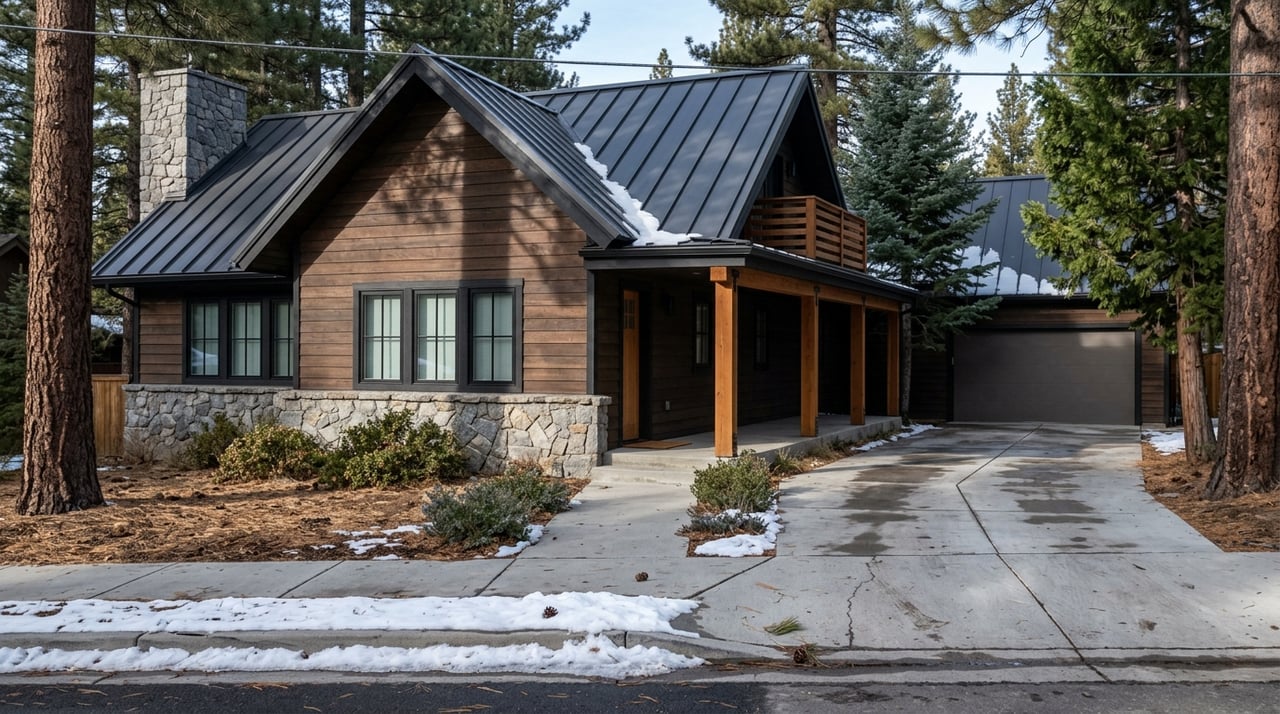
- Style mix: classic Tahoe chalets with beams and vaulted ceilings, mid-century cabins and split-levels, plus mountain-modern rebuilds and infill homes.
- Lot size and privacy: sizes vary from compact interior parcels to larger, forested lots on the edges. Tree cover and topography shape privacy and potential views.
- Utilities and infrastructure: some streets are on public sewer, others on septic. Water, power, internet options, and driveway widths can differ by address. Confirm provider coverage and any system constraints early.
For second-home buyers, newer or renovated properties can reduce maintenance. For full-time living, insulation, heating systems, and garage or storage space often rise to the top of the list.
Seasonal and safety considerations
Winter and environmental factors are part of everyday life in the Basin. The right fit balances the setting you love with practical access.
- Snow management: municipal plow service reaches public streets, but long or steep driveways are your responsibility. Look for safe snow storage areas on the lot and plan for service.
- Driveway usability: grade, sun exposure, and orientation often matter more than you expect. South or west-facing drives can help with melt.
- Wildfire preparation: many parcels sit in higher-risk zones. Defensible-space requirements apply and may influence landscaping and tree work.
- Floodplain and SEZs: parcels near the Upper Truckee River corridor can fall under additional environmental overlays that affect building and remodel plans.
- Permitting: Tahoe Basin rules regulate coverage, tree removal, and remodel scope. Build time and costs can be impacted, so verify the path for your plans.
Which neighborhood fits your daily rhythm?
Both areas deliver big Tahoe value, but the right choice depends on what you do most days and in which season.
Prioritize sun and easier winter living if you value
- South or southwest lot aspects that help with snow melt and passive warmth.
- Shorter driveway snow management and outdoor winter usability.
- Routes with gentler grades during storms, even if the distance is slightly longer.
Prioritize direct trail and lake connections if you value
- Easy daily access to valley-floor trails and the river corridor for walking, biking, and family outings.
- Flat routes that support regular runs and casual rides from your front door.
- Shorter summer walks or rides to lakeside areas via trail connectors.
Prioritize resort proximity if you value
- Frequent Heavenly access and shorter, simpler winter routes to base areas.
- Easy reach to Stateline dining and entertainment.
- Options to use shuttles or park-and-ride instead of driving on peak days.
Prioritize privacy, views, or larger lots if you value
- Forest setting and a quieter residential feel away from busier corridors.
- Potential for view corridors shaped by elevation and tree cover.
- Space for gear storage, parking, and thoughtful snow management.
A smart touring checklist for both areas
Use this quick list when you visit homes to keep comparisons apples to apples.
- Confirm parcel boundaries, zoning, and sewer versus septic.
- Note lot aspect, slope, and driveway orientation. Check where snow will be stored.
- Run a quick sun and shadow check for decks, yards, and driveway.
- Identify the nearest trailheads and typical routes you would use most days.
- Drive to Stateline and Heavenly at times you care about: weekday morning, weekend midday, and a busy evening.
- Check current shuttle or transit options if you prefer not to drive on peak days.
- Ask about snow-plow response on nearby streets and who services the driveway.
- Review environmental overlays that could affect remodel plans or tree work.
- Check wildfire risk, defensible-space requirements, and insurance implications.
- Request utility history, recent permits, and any HOA or CC&R documents.
- If you plan to rent the property as a short-term rental, confirm current city rules before you buy.
Your next step
If you’re weighing Montgomery Estates against North Upper Truckee, start with your daily habits, then test the real routes and trail access from a few favorite streets. When you’re ready for parcel-level maps, on-the-ground nuance, and a short list that matches your lifestyle, connect with Ryan Smith for local guidance and a smooth search.
FAQs
Which area is closer to Heavenly and Stateline?
- It depends on the exact address and route; test drive times in both clear and winter conditions and favor simpler winter grades over small distance differences.
How can I tell if a driveway will be manageable in winter?
- Check the driveway’s grade, width, sun exposure, and available snow storage, and ask about municipal plow timing on nearby streets.
Where will I find the best daily trail and lake access?
- North Upper Truckee often sits near the Upper Truckee River corridor and flatter multi-use connectors, though proximity varies by street.
What home styles are common in these neighborhoods?
- You’ll see classic Tahoe chalets, mid-century cabins, split-levels, and newer mountain-modern rebuilds or remodels.
Are there wildfire or flood risks I should consider?
- Yes; review wildfire severity maps and check FEMA and regional overlays for parcels near the Upper Truckee corridor, then confirm insurance and mitigation needs.
Can I use my home as a short-term rental?
- Rules are specific and can change; confirm current city regulations for your address before purchasing or planning STR operations.